If you’ve ever felt overwhelmed by conflicting beauty advice, you’re not alone. From trending makeup hacks to ever-evolving skincare routines, it can be difficult to separate science-backed guidance from social media hype. That’s exactly why this article exists—to give you clear, practical, and reliable insights you can actually use.
Whether you’re trying to perfect your base, build a skincare routine that works, or refine your personal style, success starts with understanding skin types and how products interact with your unique features. We break down complex beauty concepts into simple, actionable steps grounded in skincare science and proven techniques.
Our approach combines expert-backed research, ingredient analysis, and real-world application to ensure every tip shared here is both effective and safe. By the end of this guide, you’ll have the clarity and confidence to make informed beauty decisions tailored specifically to you.
Glowing skin isn’t magic—it’s method. Yet many of us buy products like we’re in a Sephora episode of Supermarket Sweep, grabbing whatever promises “radiance.” The result? Irritation, breakouts, and a lighter wallet.
First, focus on understanding skin types. In simple terms, your skin type describes how much oil (sebum) your skin produces. Oily skin overproduces it; dry skin lacks it; combination skin does both; sensitive skin reacts easily.
To identify yours, wash with a gentle cleanser, wait 30 minutes, and observe. Shine signals oil; tightness signals dryness.
Once you know, choose products that support—not fight—your skin’s natural balance every day.
Genetics largely determine your skin type, dictating how much sebum sebaceous glands produce, how well your skin retains water, and how reactive it is to triggers. If your parents have oily skin, you’re more likely to battle shine; if they’re dry or sensitive, tightness or redness may follow.
External factors matter, but differently:
- Climate vs. DNA: humidity can increase oiliness, but it won’t rewrite your baseline.
- Diet vs. Genetics: sugar may spark breakouts, yet it doesn’t convert dry skin into oily skin.
Age shifts behavior, not identity. That’s why understanding skin types is the non-negotiable first step before choosing products.
Two Simple Tests to Reveal Your Skin Type at Home
Once you identify your skin type, you can choose the right tools and products tailored to your unique needs, such as exploring how Higossis brushes, made of specific materials, can enhance your beauty routine – for more details, check out our What Are Higossis Brush Made Of.
Figuring out your skin type doesn’t require fancy tools—just patience and observation. These at-home methods make understanding skin types straightforward and practical.
1. The Bare-Faced Method
- Cleanse your face with a gentle cleanser.
- Pat dry and wait 30–60 minutes (no products, no touching).
- Observe your skin. Does it feel tight? Look shiny? Stay comfortable?
If your face feels tight or flaky, you likely have DRY skin. Notice shine all over? That points to OILY skin. Shine only in the T-zone suggests COMBINATION skin. If it feels balanced, you’re likely NORMAL.
2. The Blotting Sheet Method
- Press blotting sheets on your forehead, nose, chin, and cheeks.
- Check how much oil transfers from each area.
Minimal oil means dry; visible oil everywhere signals oily. Oil mainly from the T-zone? Combination again. Hardly any oil but no tightness? Normal. (Yes, it’s that simple.)
Pro tip: Test midday for the most ACCURATE results.
Normal skin sits comfortably in the middle: not too oily, not too dry, with blemishes and visible pores. That balance doesn’t mean “perfect.” It simply means your skin’s oil (sebum) and moisture levels are in sync. Think of it like a well-tuned playlist—no skips, no static (but still worth maintaining).
Core care is about protection, not correction. Follow this routine:
- Cleanse morning and night to remove sweat and pollution without stripping oils.
- Apply a lightweight moisturizer to lock in hydration.
- Finish with broad-spectrum SPF 30+ even on cloudy days (UV rays don’t take breaks).
Pro tip: patch-test new products on your jawline for 24 hours. Even skin can react. Consistency is key in understanding skin types and keeping equilibrium intact overall balance.
Mastering the Shine: A Guide to Oily Skin

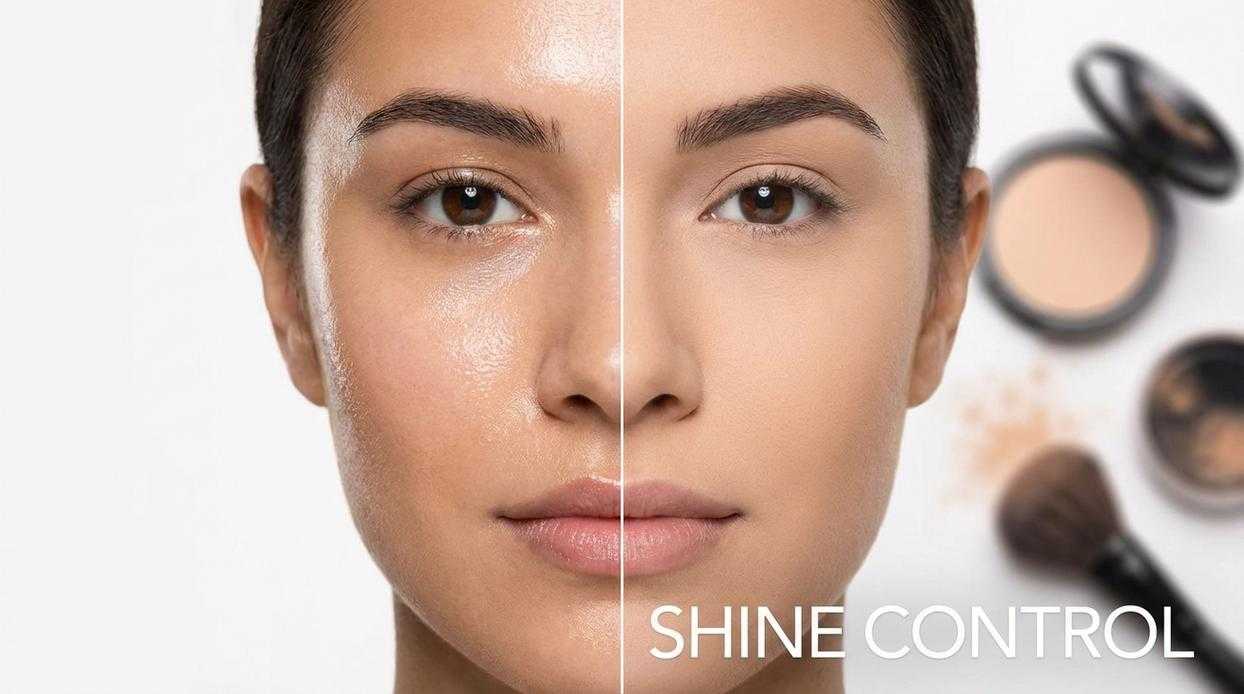
Oily skin is marked by enlarged pores, persistent shine, and a tendency toward blackheads and acne. Back in 2019, a wave of “matte everything” trends pushed people to strip their skin dry (spoiler: it backfired). The real issue isn’t oil itself—it’s excess sebum, the natural substance your skin produces to stay protected. The goal is to manage it, not erase it.
Dermatologists agree that over-cleansing can trigger even more oil production (American Academy of Dermatology). Instead, choose non-comedogenic products—formulas designed not to clog pores. Ingredients like salicylic acid unclog pores, while niacinamide helps regulate oil over time.
Avoid harsh cleansers; they often worsen shine. Pro tip: after three months of consistent care, results become noticeably balanced.
For deeper insight, explore the science of cleansing toning and moisturizing explained.
Mastering oily skin starts with understanding skin types.
Quenching the Thirst: How to Nurture Dry Skin
Dry skin often feels tight, looks flaky, and shows fine lines more clearly. You might also notice a dull, rough texture that no highlighter can truly fix (unfortunately). First, it helps to know the difference between hydration and moisturization. Hydration adds water to the skin—think humectants like hyaluronic acid that draw moisture in. Moisturization seals it in with oils and emollients like ceramides and shea butter. Dry skin lacks oil, while dehydrated skin lacks water.
So, what works? Start with a creamy, gentle cleanser to avoid stripping natural oils. Then layer a hydrating serum under a rich moisturizer. Also, avoid hot showers and harsh exfoliants, which worsen dryness. Ultimately, understanding skin types makes choosing products far easier and more effective.
The balancing act of caring for combination skin starts with understanding skin types and how they behave in different zones. Typically, the T-zone is oily, while cheeks feel normal or dry, which makes product shopping confusing. However, you do not need two entirely separate routines. Instead, choose a lightweight, gel-based moisturizer for your whole face, then layer a richer cream only where skin feels tight. This targeted approach prevents clogged pores and flaky patches at the same time. Additionally, try multi-masking: apply clay on the forehead, nose, and chin, and a hydrating mask on cheeks. Think of it like zoning in city planning—each area has different needs. Pro tip: blotting papers control midday shine without over-drying your face. With consistency, balance becomes manageable daily.
Calm and Collected: Soothing Sensitive Skin
Sensitive skin can feel like it’s constantly staging a protest—redness, itching, burning, and flare-ups from seemingly harmless products. Frustrating, right? The key rule: less is more. This condition can accompany any type, which makes understanding skin types essential.
Follow this simple routine:
- Choose fragrance-free, hypoallergenic formulas.
- Patch-test every new product (yes, every single one).
- Look for centella asiatica, chamomile, and aloe vera to calm irritation fast.
Now that you’ve mastered understanding skin types, what’s stopping you from putting it into practice? Remember the endless product swaps and bathroom-shelf graveyards? That trial-and-error cycle ends here. Instead, start small. Review what you already own. Does each product match your skin’s real needs? If not, why keep it? From here, build intentionally—cleanser, treatment, moisturizer, SPF—each chosen with purpose. Ready to see consistent results at last? Your routine should finally feel simple and effective too.
Elevate Your Beauty Routine with Confidence
You came here looking for clarity—real answers about what works, what doesn’t, and how to make smarter beauty choices. Now you have a clearer path forward. From smarter product selection to technique refinement, you’re equipped to make decisions that actually support your skin and style goals.
At the heart of lasting results is understanding skin types and responding to your skin’s real needs—not trends, not guesswork. Ignoring that foundation often leads to wasted money, irritation, and frustration. But when you tailor your routine with intention, everything changes: your makeup sits better, your skincare performs better, and your confidence grows.
If you’re tired of trial-and-error routines and products that don’t deliver, it’s time to take control. Explore our expert-backed guides, trusted by thousands of beauty enthusiasts, to build a routine designed specifically for you. Start today and transform your beauty routine into one that truly works.
 Founder & Creative Director
There is a specific skill involved in explaining something clearly — one that is completely separate from actually knowing the subject. Selvian Elthros has both. They has spent years working with expert insights in a hands-on capacity, and an equal amount of time figuring out how to translate that experience into writing that people with different backgrounds can actually absorb and use.
Selvian tends to approach complex subjects — Expert Insights, Beauty Concepts and Basics, Nitka Skincare Science being good examples — by starting with what the reader already knows, then building outward from there rather than dropping them in the deep end. It sounds like a small thing. In practice it makes a significant difference in whether someone finishes the article or abandons it halfway through. They is also good at knowing when to stop — a surprisingly underrated skill. Some writers bury useful information under so many caveats and qualifications that the point disappears. Selvian knows where the point is and gets there without too many detours.
The practical effect of all this is that people who read Selvian's work tend to come away actually capable of doing something with it. Not just vaguely informed — actually capable. For a writer working in expert insights, that is probably the best possible outcome, and it's the standard Selvian holds they's own work to.
Founder & Creative Director
There is a specific skill involved in explaining something clearly — one that is completely separate from actually knowing the subject. Selvian Elthros has both. They has spent years working with expert insights in a hands-on capacity, and an equal amount of time figuring out how to translate that experience into writing that people with different backgrounds can actually absorb and use.
Selvian tends to approach complex subjects — Expert Insights, Beauty Concepts and Basics, Nitka Skincare Science being good examples — by starting with what the reader already knows, then building outward from there rather than dropping them in the deep end. It sounds like a small thing. In practice it makes a significant difference in whether someone finishes the article or abandons it halfway through. They is also good at knowing when to stop — a surprisingly underrated skill. Some writers bury useful information under so many caveats and qualifications that the point disappears. Selvian knows where the point is and gets there without too many detours.
The practical effect of all this is that people who read Selvian's work tend to come away actually capable of doing something with it. Not just vaguely informed — actually capable. For a writer working in expert insights, that is probably the best possible outcome, and it's the standard Selvian holds they's own work to.