
Mastering how to accessorize outfits can instantly elevate your style, turning even the simplest look into something polished and intentional. If you’ve ever felt like your outfit was missing something—but couldn’t quite figure out what—this guide is designed to give you clear, practical direction. From balancing statement pieces to layering delicate jewelry, choosing the right bags, and pairing shoes with confidence, we’ll break down the techniques that make accessories work together seamlessly.
This article focuses on the principles behind smart accessorizing, including proportion, color coordination, texture contrast, and occasion-based styling. By understanding these fundamentals, you’ll be able to create cohesive looks without overcomplicating your wardrobe.
Our insights are grounded in established styling techniques, fashion theory, and practical beauty expertise to ensure the advice is both trend-aware and timeless. Whether you’re refining everyday outfits or preparing for a special event, you’ll find actionable tips you can apply immediately.
From Basic to Brilliant: The Transformative Power of Accessories
Accessories aren’t extras; they’re strategic tools. Yet many wardrobes stall because pieces are layered randomly—resulting in looks that feel either unfinished or theatrical (hello, accidental costume party). So, how to accessorize outfits with intention?
First, define a visual anchor—the focal point that draws the eye, like statement earrings or a bold belt. Then build supporting elements that echo its tone or texture. For example, gold hoops paired with a structured blazer create cohesion through clean lines.
Some argue minimalism means skipping accessories altogether. However, even pared-back style benefits from proportion and contrast—principles often overlooked elsewhere.
The Foundation: Mastering Balance and Proportion
When it comes to how to accessorize outfits, most mistakes aren’t about taste—they’re about scale. The Rule of Scale simply means your accessories should match your physical frame and the visual weight of your clothing. If you’re petite or wearing soft, delicate fabrics, slim chains and subtle studs feel harmonious. On taller frames or with chunky knits and bold prints, larger cuffs or structured bags hold their own. I firmly believe ignoring scale is why great pieces sometimes look oddly “off” (yes, even designer ones).
Creating a focal point is non-negotiable in my book. Choose one hero accessory—a sculptural necklace or a vivid handbag—and let everything else whisper. When everything shouts, nothing gets heard. Think of it like a lead singer and backup vocals.
The “Bookend” Technique is a quiet power move. Matching your shoes to your bag or belt frames the outfit visually, guiding the eye from top to bottom.
Finally, embrace negative space. Leaving your neckline bare with statement earrings creates contrast and impact. More isn’t always better—sometimes restraint is the real luxury.
A Lesson in Color: Using Accessories to Tell a Story
Have you ever wondered why some outfits feel instantly polished while others fall flat? The secret often isn’t the clothing—it’s the color story your accessories tell.
The Color Wheel in Your Closet
Color theory sounds technical, but it’s simple. Complementary colors sit opposite each other on the color wheel and create bold contrast—think a blue dress with orange heels. Want something softer? Analogous colors sit side by side, like a green dress with blue earrings, creating harmony that feels effortless (like they were always meant to be together).
Monochromatic Magic
Wearing one color head-to-toe doesn’t have to be boring. Try varying shades—light blue with navy shoes and a cobalt bag. This layered approach feels refined and fashion-forward. Sound intimidating? It’s actually one of the easiest ways to master how to accessorize outfits.
The Power of a Pop of Color
Ever notice how a single red belt transforms an all-black outfit? One bright accessory draws the eye and adds personality without overwhelming your look.
Working with Metallics
Think of gold, silver, and rose gold as neutral metallics:
- Gold complements warm tones.
- Silver flatters cool tones.
- Mixing them? Keep one dominant for balance.
So next time you dress, ask yourself: what story is your color telling?
The Art of the Layer: Stacking and Combining Jewelry
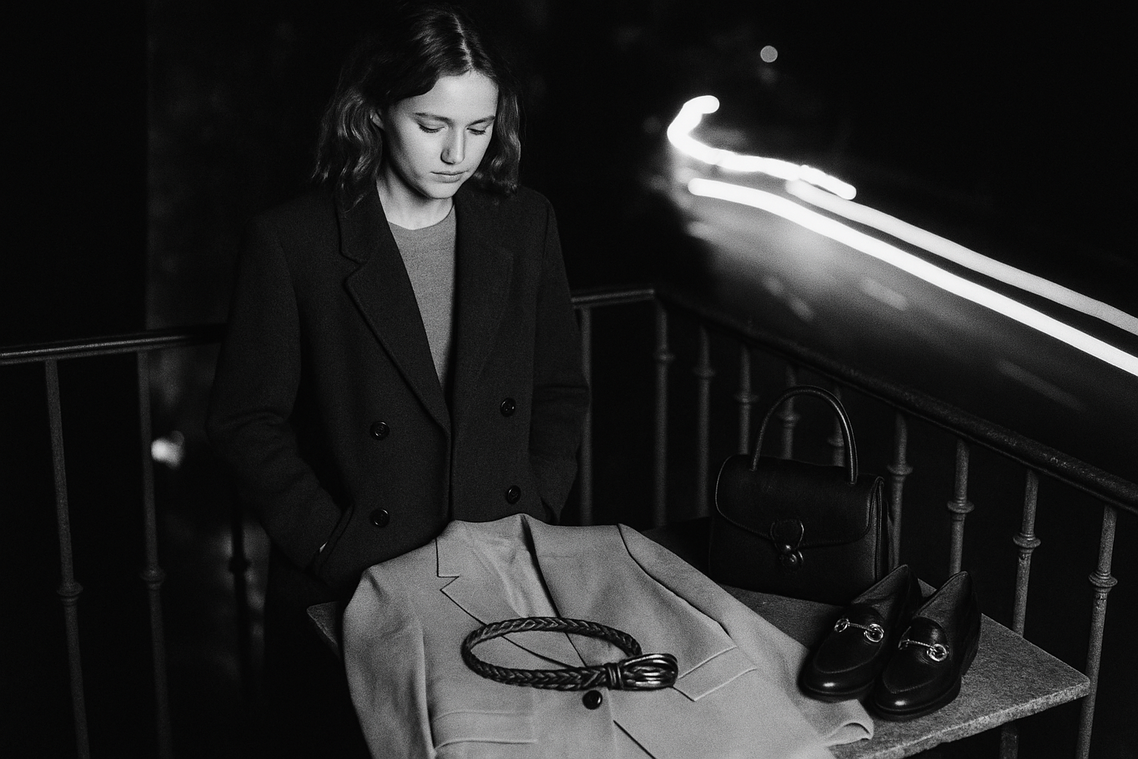
Mastering layers starts with intention. When learning how to accessorize outfits, think in balanced contrasts rather than chaos (yes, there’s a fine line between curated and cluttered).
-
Necklace Layering 101: Combine 2–3 pieces of varying lengths—a choker (14–16 inches), a mid-length pendant, and a longer chain. Mix textures like a sleek snake chain with a dainty charm. This “neck mess” formula keeps the eye moving without tangling the vibe.
-
Curating an Ear Stack: Start with a bold hoop or huggie as your anchor. Then, add studs or a cuff for dimension. Negative space matters; too many heavy pieces can overwhelm (think rockstar off-duty, not pirate cosplay).
-
The Perfect Ring Stack: Blend thin bands with one statement ring across different fingers. Mixing metals? Totally fair game—pro tip: repeat each metal at least twice.
-
Bracelet and Watch Combos: Pair a structured watch with softer textures like leather or beaded strands.
Looking ahead, I suspect maximalist stacks will dominate—though minimalists may argue simplicity always wins. As explored in from casual to chic easy ways to upgrade everyday looks, thoughtful layering elevates everything.
Beyond the Baubles: Belts, Scarves, and Bags as Tools
Accessories aren’t extras; they’re structure. If you’ve ever wondered how to accessorize outfits without overthinking it, start by seeing each piece as a tool.
The Strategic Belt
A belt doesn’t just hold things up—it defines shape. On a flowy dress, it creates a waist (that visual “hourglass” line). Over a blazer, it adds structure by cinching excess fabric.
- Skinny belts add subtle definition and work well with lightweight fabrics.
- Wide belts create bold contrast and reshape looser silhouettes.
The Versatile Scarf
A silk scarf isn’t limited to your neck (very old-Hollywood, yes, but not required). Try it:
- Tied to a handbag handle for color
- Folded as a headband
- Looped through a belt loop as a soft accent
Handbags as the Centerpiece
A structured tote signals polish and professionalism. A slouchy hobo feels relaxed and casual. The bag’s shape—structured vs. unstructured—quietly sets the outfit’s tone (think boardroom versus brunch).
Common Accessorizing Mistakes and How to Fix Them
First, the “matchy-matchy” trap. Matching your bag, shoes, and belt exactly can feel dated—like you’re auditioning for a 2000s rom-com. Instead, coordinate tones. Think tan with caramel, not identical twins (accessories are friends, not clones).
Then there’s over-accessorizing. If everything sparkles, nothing shines. As a gut check, follow the classic rule: take one thing off before you leave the house. Your mirror—and your neck—will thank you.
Finally, don’t ignore the neckline. V-necks love pendants, crewnecks suit statement bibs or chokers, and turtlenecks pair beautifully with long chains. Master this, and you’ll instantly know how to accessorize outfits.
Developing Your Signature Accessory Style
Last year, I stared at a black dress feeling it lacked spark. I used to panic about how to accessorize outfits, piling on necklaces like a magpie. Then I learned balance (the art of not doing the most). By focusing on color harmony and proportion, I swapped clutter for one bold cuff and small hoops. Everything clicked. Some argue rules kill creativity. I disagree. Rules create a framework so you can play, like jazz musicians riffing on structure. This week, try one tweak—scale down, brighten up, or edit ruthlessly. Open jewelry box and reassess.
Elevate Every Outfit with Confidence
Now you have a clearer understanding of how to accessorize outfits in a way that feels intentional, balanced, and true to your personal style. Instead of second-guessing your choices or feeling like something is “missing,” you can confidently select pieces that enhance your look rather than overwhelm it.
The truth is, many people struggle with pulling an outfit together. Accessories can easily feel confusing or excessive when you don’t know how to create harmony. But with the right techniques, you can transform even the simplest outfit into something polished and eye-catching.
Here’s your next step: start applying these tips to one outfit today. Experiment with layering, proportion, and focal points. If you want expert-backed beauty and styling guidance trusted by thousands of readers, explore more of our in-depth tips now and refine your look with confidence.