
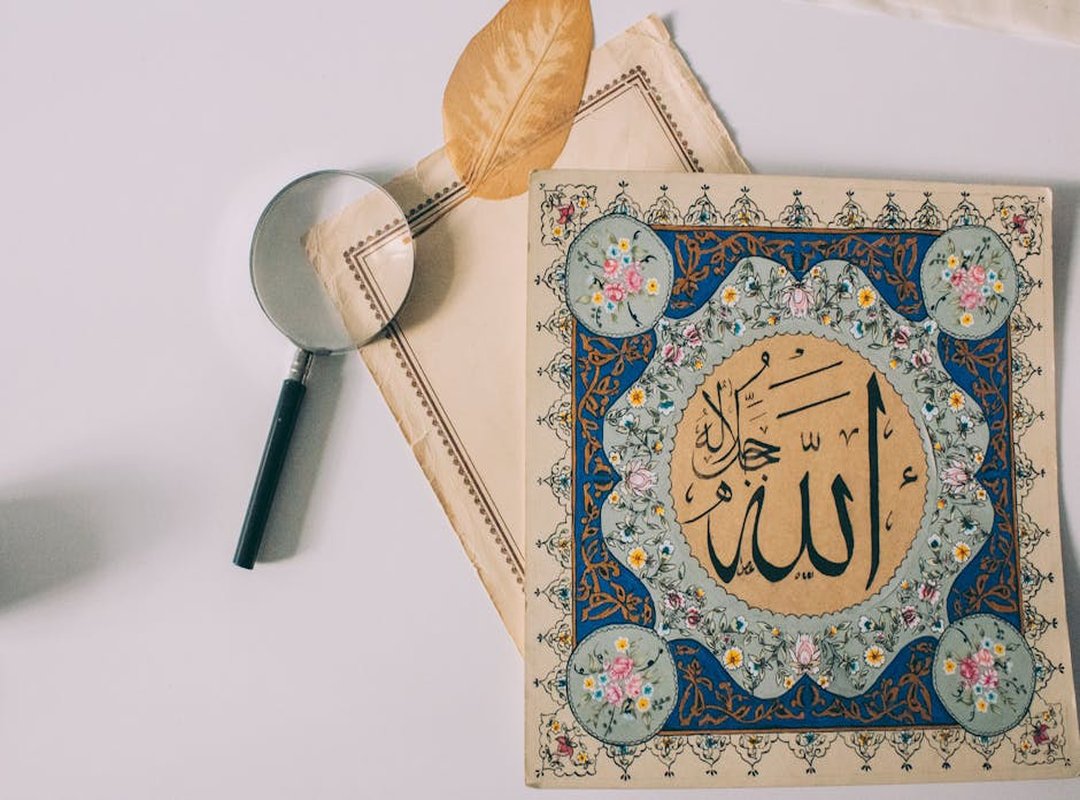
Sometimes it feels like everything’s going wrong. Little things pile up, and big setbacks hit hard. It’s tough to stay positive.
But there’s a phrase that can change your outlook. Alhamdulillah ala kulli haal. This isn’t just a set of words; it’s a profound spiritual tool.
This article goes beyond a simple translation. We’ll explore the deep meaning, psychological benefits, and practical application of this powerful expression.
You’ll understand how it can shift your perspective from reaction to profound acceptance and gratitude.
Finding contentment in every circumstance is possible. Let’s dive in.
The Foundational Meaning: Breaking Down the Words
Let’s get to the heart of it. Alhamdulillah ala kulli haal means “Praise and thanks be to Allah in every situation” or “for every state of being.”
First, Alhamdulillah. This is a simple yet profound phrase meaning “All praise and thanks are for God.” It’s something we say often, especially when things are going well.
Ala translates to “upon” or “for.” It’s a small word but it bridges the gap between our gratitude and the specific conditions we’re talking about.
Kulli means “all” or “every.” It’s an inclusive term that leaves no room for exceptions.
Haal refers to “state,” “condition,” or “situation.” It encompasses everything from joy to hardship, from ease to difficulty.
Now, here’s the crucial part. Saying just Alhamdulillah is great, but adding Ala Kulli Haal takes it to another level. It’s like saying, “I’m grateful not just for the good times, but for all times, even the tough ones.”
Think of it like a sailor. They thank the sea for both calm waters and the storms that make them a better captain. It’s about embracing every experience, good or bad, as a chance to grow and learn.
In Islamic tradition, this phrase has deep roots. It’s a reminder from prophetic teachings to be grateful in all circumstances, not just the easy ones. It’s a call to see the bigger picture and find value in every moment, no matter how challenging.
So, alhamdulillah ala kulli haal maksud is a powerful way to express gratitude for every aspect of life. It’s a mindset that can truly transform how you view and respond to the world around you.
Beyond Words: The Spiritual Significance of Gratitude in Hardship
Alhamdulillah ala kulli haal—this phrase is an active declaration of trust in a higher wisdom, even when circumstances are painful or confusing. It shifts the focus from the problem (“Why is this happening to me?”) to a position of faith (“There is a reason and a good in this, even if I cannot see it”).
This is not about toxic positivity or denying pain. It’s about acknowledging the hardship while simultaneously affirming faith and gratitude for the overall journey.
Practicing alhamdulillah ala kulli haal maksud builds spiritual resilience, or sabr (patience). This transforms trials from punishments into opportunities for growth and purification. Research shows that people with a strong sense of faith and gratitude tend to recover more quickly from adversity.
Despair, anger, or bitterness are common reactions to hardship. But alhamdulillah ala kulli haal provides a constructive spiritual alternative. It helps individuals find meaning and purpose in their struggles, leading to a deeper sense of peace and contentment.
Consider the story of a farmer whose crops were destroyed by a sudden storm. Devastated, he could have given in to despair. Instead, he said, “Alhamdulillah ala kulli haal.” He trusted that there was a greater plan at work.
Months later, a rare and valuable plant sprouted from the soil, enriching his farm in ways he never imagined.
In hard times, this mindset can be a lifeline. It reminds us that every experience, no matter how difficult, has a purpose.
Practical Application: When and How to Use This Phrase
Spilling coffee on your shirt in the morning can set a bad tone for the day. Alhamdulillah ala kulli haal maksud—it’s a phrase that can help you take a deep breath and move on.
Hitting traffic when you’re already late for a meeting. It’s frustrating, but saying the phrase can remind you it’s out of your hands.
A project getting delayed? That’s a minor inconvenience, but it can still throw off your plans. Acknowledge the frustration, then say the phrase.
Facing more significant challenges, like receiving disappointing news, can be tough. The phrase helps you pause and find a moment of peace.
Dealing with a financial setback or a health issue can feel overwhelming. The phrase isn’t a magic fix, but it can introduce a moment of perspective.
Experiencing a loss is one of the hardest things anyone can go through. In those moments, the phrase can be a small comfort, a reminder to find gratitude even in pain.
The internal process is simple. Take a deep breath, acknowledge the feeling, and then consciously say the phrase, either aloud or internally.
You can also use the phrase in moments of ease. It’s a way to cultivate a consistent state of gratitude and prevent complacency.
Try this: Consciously use the phrase once a day for a week. For any situation, big or small, and observe the change in your emotional response.
The goal isn’t to instantly feel happy. It’s to introduce a moment of peace and perspective into a challenging situation.
The Psychological Impact: Building Resilience and Contentment
Spiritual practices have a profound connection to modern psychological concepts. Radical acceptance, cognitive reframing, and mindfulness are all tools that can help us build resilience and contentment.
Regularly affirming gratitude in all situations can literally rewire the brain. It helps you look for positives and builds stronger neural pathways for resilience. This isn’t just a nice idea; it’s backed by science.
How does this work? When you practice gratitude, your brain starts to focus more on positive aspects of life. It’s like training a muscle.
Over time, it becomes easier to see the good, even in tough times.
This mindset reduces the emotional toll of stress and anxiety. It creates a buffer between an event and your reaction to it. Instead of being overwhelmed, you gain a moment to choose how to respond.
Think of it as a tool for reclaiming personal power. You’re not a victim of circumstance. You become an active participant in your spiritual and emotional response.
Alhamdulillah ala kulli haal maksud—gratitude in all conditions.
The long-term benefit is a deep, abiding sense of inner peace (sakina). This peace isn’t dependent on external conditions being perfect. It’s an internal contentment that remains unshaken by the inevitable fluctuations of life.
Back in 2019, I saw this firsthand. A friend went through a tough time but maintained her peace. She told me it was because she practiced gratitude daily.
It changed her perspective and helped her stay grounded.
So, if you’re looking for a way to build resilience and find contentment, start with gratitude. It’s a simple yet powerful practice that can transform your life.
Embracing Every Chapter of Your Story
alhamdulillah ala kulli haal maksud is more than a phrase; it’s a complete framework for living a life of trust, resilience, and unwavering gratitude. Its true power lies in its application during difficult times, transforming challenges into catalysts for spiritual growth.
This practice offers a path to a stable, internal peace that isn’t swayed by the constant ups and downs of the external world. Begin incorporating this phrase into your daily life, starting today. Patiently observe the profound peace it can bring.
 Content & Research Specialist
Wayne Littlejohnielo writes the kind of trend tracker pro content that people actually send to each other. Not because it's flashy or controversial, but because it's the sort of thing where you read it and immediately think of three people who need to see it. Wayne has a talent for identifying the questions that a lot of people have but haven't quite figured out how to articulate yet — and then answering them properly.
They covers a lot of ground: Trend Tracker Pro, Glow-Up Styling Tips, Beauty Concepts and Basics, and plenty of adjacent territory that doesn't always get treated with the same seriousness. The consistency across all of it is a certain kind of respect for the reader. Wayne doesn't assume people are stupid, and they doesn't assume they know everything either. They writes for someone who is genuinely trying to figure something out — because that's usually who's actually reading. That assumption shapes everything from how they structures an explanation to how much background they includes before getting to the point.
Beyond the practical stuff, there's something in Wayne's writing that reflects a real investment in the subject — not performed enthusiasm, but the kind of sustained interest that produces insight over time. They has been paying attention to trend tracker pro long enough that they notices things a more casual observer would miss. That depth shows up in the work in ways that are hard to fake.
Content & Research Specialist
Wayne Littlejohnielo writes the kind of trend tracker pro content that people actually send to each other. Not because it's flashy or controversial, but because it's the sort of thing where you read it and immediately think of three people who need to see it. Wayne has a talent for identifying the questions that a lot of people have but haven't quite figured out how to articulate yet — and then answering them properly.
They covers a lot of ground: Trend Tracker Pro, Glow-Up Styling Tips, Beauty Concepts and Basics, and plenty of adjacent territory that doesn't always get treated with the same seriousness. The consistency across all of it is a certain kind of respect for the reader. Wayne doesn't assume people are stupid, and they doesn't assume they know everything either. They writes for someone who is genuinely trying to figure something out — because that's usually who's actually reading. That assumption shapes everything from how they structures an explanation to how much background they includes before getting to the point.
Beyond the practical stuff, there's something in Wayne's writing that reflects a real investment in the subject — not performed enthusiasm, but the kind of sustained interest that produces insight over time. They has been paying attention to trend tracker pro long enough that they notices things a more casual observer would miss. That depth shows up in the work in ways that are hard to fake.