
If you’re searching for clear, science-backed guidance on beauty, makeup techniques, skincare science, or styling tips, you’re in the right place. The beauty world is full of trends, conflicting advice, and viral hacks—but not all of them deliver real results. This article is designed to cut through the noise and give you practical, evidence-based insights you can actually use.
We focus on explaining the “why” behind techniques and product choices, so you understand how different formulas, application methods, and styling approaches affect your skin and overall look. From improving makeup longevity to building a skincare routine that supports your skin barrier, every recommendation is grounded in research and expert-backed knowledge.
To ensure accuracy, we rely on established dermatological research, cosmetic science principles, and professional makeup artistry standards. Whether you’re a beginner or refining an advanced routine, you’ll find actionable tips that align with real results—not just beauty trends.
Skincare labels can feel like chemistry exams. I remember standing in a drugstore aisle, squinting at words I couldn’t pronounce, wondering if I needed a dictionary or a dermatologist. That confusion is common.
This guide breaks complex terms into plain language so you can choose products wisely and stop wasting money.
You’ll learn:
- What active ingredients actually do
- How to spot marketing fluff
- Why hyaluronic acid hydrates
Understanding labels turns guesswork into strategy. Instead of impulse buys, you’ll build a routine that fits your real skin concerns. Think of it as your skincare translation guide. Starting today.
The Front-of-Bottle Basics: What Do They Really Mean?
Walk down any beauty aisle and it’s like reading movie trailers—big promises, dramatic claims, and a lot of fine print energy. So what do these labels actually mean?
Non-Comedogenic means a product is formulated to avoid clogging pores, which is crucial for acne-prone skin. If you’re already battling breakouts, this label matters (though ingredients like salicylic acid still do the heavy lifting).
Meanwhile, Hypoallergenic suggests the formula is designed to minimize the risk of allergic reactions. However, it’s not a 100% guarantee you won’t react—skin can be unpredictable.
Then there’s Dermatologist-Tested. This simply means a dermatologist reviewed the product for safety. It doesn’t mean it’s the Beyoncé of moisturizers—just that it passed basic evaluation.
Finally, pH-Balanced refers to matching skin’s natural pH, around 4.7–5.75. Maintaining this slightly acidic range helps protect your skin barrier and keeps irritation at bay.
The difference between hydration and moisture is simple: hydration is water, while moisture is oil. Your skin needs both to stay balanced, bouncy, and resilient. Think of hydration as filling a sponge with water, and moisture as sealing that sponge so it does not dry out.
Humectants are ingredients that draw water into the skin. Hyaluronic Acid, Glycerin, and Aloe Vera attract moisture from the environment or deeper layers, increasing surface hydration.
Emollients soften and smooth by filling gaps between skin cells. Shea Butter, Squalane, and plant oils improve flexibility and reduce roughness.
Occlusives create a physical barrier to prevent water loss, also known as TEWL. Petrolatum, Lanolin, and Silicones like Dimethicone lock everything in.
So what comes next? Layer strategically:
- Apply humectants to damp skin.
- Follow with emollients.
- Seal with an occlusive if needed.
If your skin feels tight despite moisturizing, you may need more hydration. If it feels greasy yet dehydrated, adjust your balance. Understanding this trio helps you build smarter routines. Before buying another cream, check ingredients first carefully.
The Power Players Part 2: Exfoliants and Resurfacers
Chemical exfoliation is the art (and science) of dissolving the bonds between dead skin cells so fresher, brighter skin can surface. Instead of scrubbing, you’re using acids or vitamin A derivatives to refine texture, fade discoloration, and unclog pores. If you haven’t already mastered understanding skin types the foundation of every beauty routine, start there—because choosing the wrong exfoliant is like wearing the wrong shoe size (technically possible, deeply uncomfortable).
Alpha-Hydroxy Acids (AHAs) are water-soluble, meaning they work primarily on the skin’s surface. Glycolic Acid and Lactic Acid are ideal for sun damage, dullness, and uneven tone. I recommend AHAs for dry or mature skin needing glow and smoother texture.
Beta-Hydroxy Acids (BHAs) are oil-soluble, so they travel into pores to dissolve sebum. Salicylic Acid is the go-to for acne and blackheads. If breakouts are your main concern, choose a BHA first.
Then there are Retinoids, vitamin A derivatives that increase cell turnover. Start with over-the-counter retinol, and if needed, graduate to prescription tretinoin for deeper anti-aging and acne benefits. In skincare ingredient terminology, this is the gold-standard resurfacing family.
The Power Players Part 3: Antioxidants and Protectors
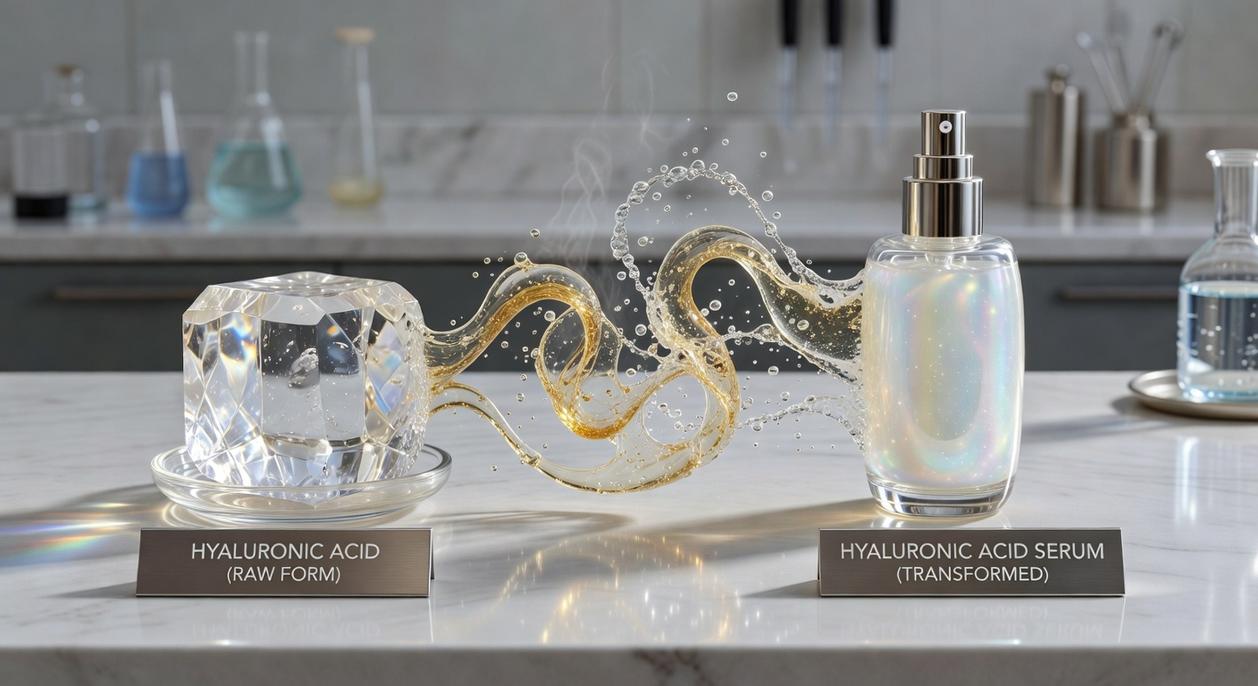
Antioxidants are your skin’s daily defense team. They neutralize free radicals—unstable molecules triggered by UV rays and pollution that damage collagen, weaken elasticity, and accelerate fine lines. Think of free radicals as tiny sparks landing on your skin; antioxidants put out the fire before it spreads. If premature aging is your concern, this is where to focus.
• Vitamin C (L-Ascorbic Acid & Derivatives): Brightens dull tone, supports collagen synthesis, and delivers antioxidant protection against environmental stressors. Consistent use can visibly fade dark spots caused by sun exposure (American Academy of Dermatology).
• Niacinamide (Vitamin B3): Strengthens the skin barrier, reduces redness, minimizes the look of pores, and balances oil production—ideal for sensitive or acne-prone skin.
• Vitamin E (Tocopherol): A moisturizing antioxidant that works synergistically with Vitamin C, enhancing stability and boosting protection.
Pro tip: Apply antioxidants in the morning under sunscreen for maximum defense. Your future skin will thank you (quietly, but noticeably).
Understanding Product Formulations and Textures
When we talk about skincare textures, we’re not just describing thickness—we’re defining the product’s delivery system and how it behaves on your skin. In other words, texture signals performance.
Serum: A lightweight, concentrated formula designed to deliver active ingredients deep into the skin. Because of its smaller molecular structure, it absorbs quickly and targets specific concerns like hyperpigmentation or fine lines.
Emulsion: A lightweight, water-based lotion that offers a layer of hydration without the heaviness of a traditional cream. Think of it as the middle ground between a serum and moisturizer.
Essence: A watery, less concentrated formula used after toning to hydrate and prepare the skin for subsequent products. It primes absorption (like stretching before a workout).
Micellar Water: A cleanser with tiny oil molecules (micelles) suspended in soft water that attract and lift away dirt and makeup without stripping the skin. Yes, it’s basically skincare’s quiet superhero.
Your confusion about skincare labels? Solved. Choosing the right product felt impossible when every bottle looked like a chemistry exam. Now you know better. When you spot hydrators, exfoliants, antioxidants, and emollients, you can decode a formula’s purpose in seconds. That knowledge works because ingredient lists are ordered by concentration, so the first five names tell the real story.
HERE’S WHAT TO DO NEXT:
- Grab one product you own.
- Read the first five ingredients.
- Identify the key actives.
- Decide if it matches your goal.
DO THIS TODAY. You’ll shop smarter (and save money). Start right now.
Bring Your Skincare Routine to the Next Level
You came here looking for clarity, and now you have it. The techniques, insights, and practical tips you’ve just explored are designed to help you make smarter beauty choices and avoid the frustration of products or routines that don’t deliver.
Skincare and styling can feel overwhelming—too many trends, too many opinions, and not enough real guidance. That confusion often leads to wasted money, irritated skin, and inconsistent results. But with the right knowledge, you can build a routine that actually works for your skin and your goals.
Now it’s time to take action. Start by applying what you’ve learned—refine your routine, choose products with intention, and stay consistent. If you’re ready for clearer guidance, proven techniques, and trusted beauty insights that simplify the process, explore more of our expert-backed resources today. Join thousands of readers who rely on us for practical, science-informed advice—and take the next step toward confident, radiant skin.