We’ve all been there: the endless battle for a flawless foundation that lasts till bedtime. Does your makeup end up cakey, creased, or just plain wrong? Trust me, you’re not alone.
Achieving a smooth finish isn’t magic (it’s) science blended with art. You need to understand both your skin and the technique. In this article, I’m diving into foundation application tips that tackle every mishap.
No more guessing games. You’ll find professional advice here, turning your routine into a repeatable skill. Ready to transform your makeup game?
Stick around. Let’s make this the last article you’ll ever need.
The Canvas is Key: Prepping Your Skin for Perfection
Let’s get straight to it. The core of perfect foundation application tips? It all starts with your skin.
Foundation can’t perform miracles if the skin beneath isn’t prepped. So, what’s the secret sauce? An immaculate base.
Start with cleansing. It’s non-negotiable. Whether you’ve been out in the city or just lounging at home, dirt and oil build up.
If you skip cleansing, expect your foundation to pill or look muddy. I’ve learned this the hard way, trust me.
Once clean, think hydration. It’s a must for every skin type. Dry skin?
Use a rich moisturizer to keep foundation from clinging to flaky areas (not a good look). For oily skin, go for a lightweight, oil-free option. It sounds counterintuitive, but oily skin overproduces oil when it’s thirsty.
That’s what breaks down your makeup mid-day.
Now, let’s talk about the unsung hero: primer. It acts like a bridge between skincare and makeup. Here’s a quick rundown to help you pick the right one: silicone-based primers fill in pores, hydrating primers give you that dewy glow, and mattifying primers keep oil in check.
Got it?
Pro tip: When you’re rushing in the morning, you don’t have time to experiment. You want a Quick Everyday Makeup Busy Mornings routine that works. A primer tailored to your goal will keep things smooth and extend the wear of your foundation.
Remember, it’s not just about the makeup. The groundwork you lay is what supports the final look. Simple steps, but they pay off big time when your face starts the day as a flawless canvas.
Why make things complicated? Start clean and hydrate well.
Selecting Your Allies: Makeup Formula and Tools
Choosing the right foundation formula can feel like navigating a maze. Trust me, I’ve been there. But there’s logic to this chaos.
For oily skin chasing a matte, long-wear liquid is your best friend. It tames shine and keeps you looking fresh all day. Dry skin folks, lean toward hydrating creams or serum foundations for a radiant glow.
Application tools? They’re key. Let’s break it down.
Fingers are your casual, lazy-day friends. They warm up creamy products, giving you a sheer finish. But hygiene is a concern (wash those hands first).
Makeup sponges, especially when damp, give a smooth, airbrushed effect that’s hard to beat. Remember, dampness is key. Otherwise, you’re just wasting product.
Foundation brushes are for precision and buildable coverage. Differentiate between a dense kabuki for buffing and a flat brush that’s more about ‘painting’ on coverage. It’s like choosing your weapon based on the battle ahead.
But you already knew that, right?
If you’re looking for more details on technique, the how to apply foundation 20 expert tips is a great resource.
Pro tip: Match your foundation formula with the finish you desire most. It makes all the difference. These foundation application tips are not just about vanity; it’s about enhancing what you’ve got with confidence.
That’s the beauty of makeup. So, dive in, experiment, and own the skin you’re in.
Mastering the Technique: Foundation Application Made Simple
Let’s get straight to it. “Start in the center and work your way out.” That’s the mantra. You don’t want your face looking like a mask, right? The center usually needs the most love.

Your nose, cheeks, maybe that forehead. So, start there.
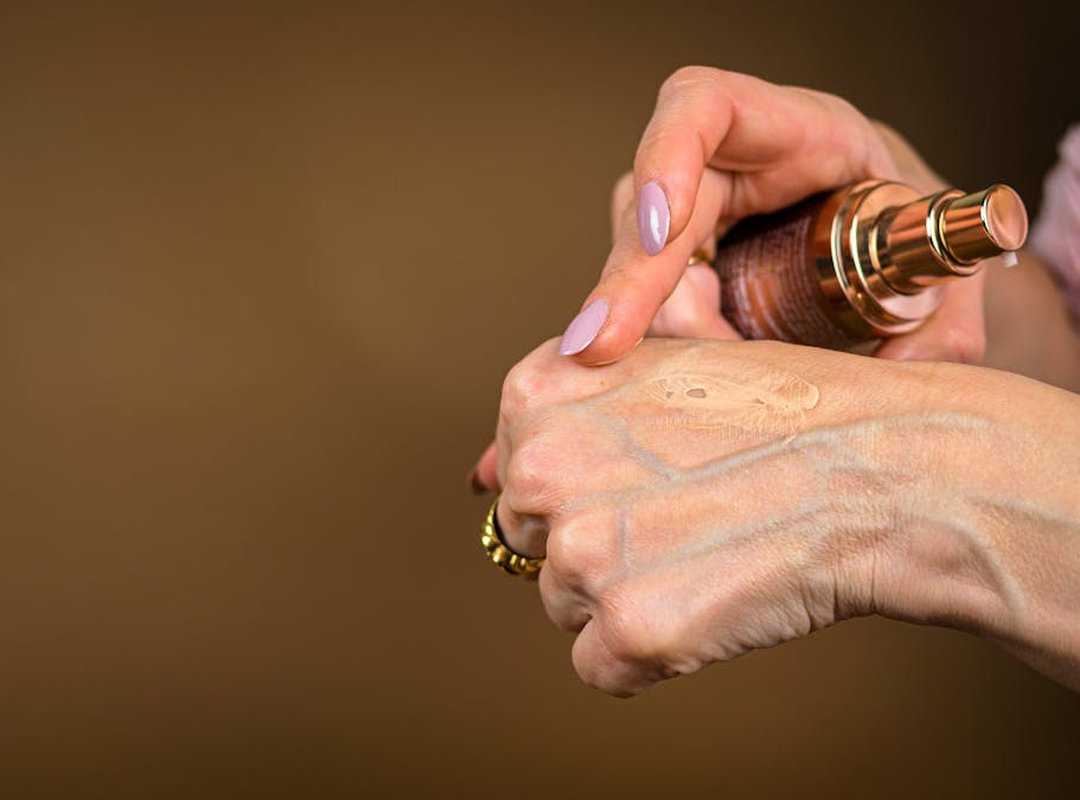
First, let’s talk product. Grab a pea-sized amount. Put it on the back of your hand. Why?
You control the quantity, and it warms up the product, making it easier to work with. You don’t need a ton. Trust me, less is more (cliche but true).
Next, strategic placement. Dot the foundation on your forehead, nose, cheeks, and chin. Think of it like a painter’s palette.
You’re not slapping paint everywhere. Precision matters.
Now, blending (the key part). Use bouncing motions if you have a sponge or circular buffing if you have a brush. And please, don’t forget the jawline.
Unless you want to look like you’re wearing a mask. A little blending onto the neck never hurt anyone.
Here’s a pro tip: build coverage smartly. Don’t plaster a thick layer all over. Target areas needing extra help (that pesky redness or a stubborn blemish).
This keeps you from turning into a cakey mess by midday.
Finally, setting. Lightly dust some translucent powder over your T-zone and under your eyes. Keeps everything locked in place, prevents creases.
You wouldn’t want to see your hard work melting off by noon, right?
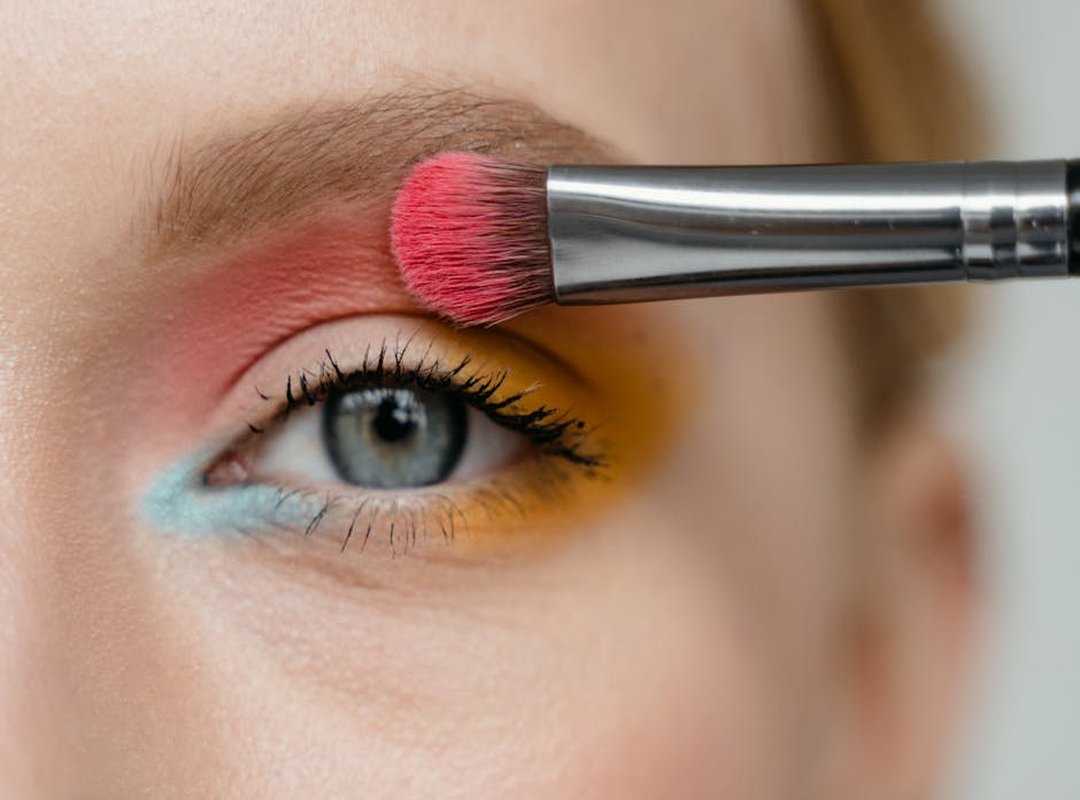
Oh, before I forget, if you’re diving into eye makeup, check out this guide eye makeup brushes. It’s a lifesaver when deciding how to tackle those pesky little details.
, these foundation application tips aren’t rocket science. They’re practical, actionable, and they work. Get started and see the difference.
After all, why complicate things when simplicity rules?
Troubleshooting Common Foundation Fails: Cakey to Flawless
Ever look in the mirror and think your foundation resembles cake batter? Yeah, me too. It’s a common cry for help, so let’s tackle it.
The culprit is usually too much product or not prepping the skin. Sound familiar? The fix is simple: use less foundation.
Go for thin layers, and remember to moisturize properly before anything else hits your face.
Now, about those fine lines. Foundation loves hiding in them like it’s playing hide and seek. Overdoing it does that, especially if you skip primer.
The trick? Use a pore-filling primer and set your foundation immediately with finely milled powder. And here’s a pro tip: do it while looking up (you’ll thank me later).
Patchy foundation by midday is the bane of many. Often, it’s about mismatched product bases (oil) vs. water. Check your primer and foundation.
Are they compatible? If not, that’s a recipe for disaster. Fix it by using a setting spray and ensuring your products get along.
And that dreaded orange tint by hour three? Annoying, right? This happens because of a reaction with your skin’s oils.
The solution? Test the foundation on your jawline. Wait 15-20 minutes.
Patience is key here (to) see the real dried-down color. Trust me, it saves you from an orange horror show.
Remember those foundation application tips and you’ll shift from cakey to flawless. It’s not magic (though it feels like it sometimes). Just smart, informed choices, and a bit of patience.
Now go rock that face confidently!
Perfect Your Foundation Routine Now
Struggling with makeup that melts or looks fake? I get it. But let me tell you, a flawless foundation isn’t a mystery.
It’s a skill you can master. Imagine confidently applying makeup that lasts all day. It starts with proper skin prep, the right tools, and a careful technique.
Stop settling for less. Use these expert foundation application tips to build that enviable routine. Ready to see results that boost your confidence?
It’s time to take action. Dive into these tips and transform your makeup game. Your perfect base is waiting.
Why wait another day? Go achieve it now.
 Jessica Sanfordezora
Ask Jessica Sanfordezora how they got into makeup application techniques and you'll probably get a longer answer than you expected. The short version: Jessica started doing it, got genuinely hooked, and at some point realized they had accumulated enough hard-won knowledge that it would be a waste not to share it. So they started writing.
What makes Jessica worth reading is that they skips the obvious stuff. Nobody needs another surface-level take on Makeup Application Techniques, Expert Insights, Trend Tracker Pro. What readers actually want is the nuance — the part that only becomes clear after you've made a few mistakes and figured out why. That's the territory Jessica operates in. The writing is direct, occasionally blunt, and always built around what's actually true rather than what sounds good in an article. They has little patience for filler, which means they's pieces tend to be denser with real information than the average post on the same subject.
Jessica doesn't write to impress anyone. They writes because they has things to say that they genuinely thinks people should hear. That motivation — basic as it sounds — produces something noticeably different from content written for clicks or word count. Readers pick up on it. The comments on Jessica's work tend to reflect that.
Jessica Sanfordezora
Ask Jessica Sanfordezora how they got into makeup application techniques and you'll probably get a longer answer than you expected. The short version: Jessica started doing it, got genuinely hooked, and at some point realized they had accumulated enough hard-won knowledge that it would be a waste not to share it. So they started writing.
What makes Jessica worth reading is that they skips the obvious stuff. Nobody needs another surface-level take on Makeup Application Techniques, Expert Insights, Trend Tracker Pro. What readers actually want is the nuance — the part that only becomes clear after you've made a few mistakes and figured out why. That's the territory Jessica operates in. The writing is direct, occasionally blunt, and always built around what's actually true rather than what sounds good in an article. They has little patience for filler, which means they's pieces tend to be denser with real information than the average post on the same subject.
Jessica doesn't write to impress anyone. They writes because they has things to say that they genuinely thinks people should hear. That motivation — basic as it sounds — produces something noticeably different from content written for clicks or word count. Readers pick up on it. The comments on Jessica's work tend to reflect that.