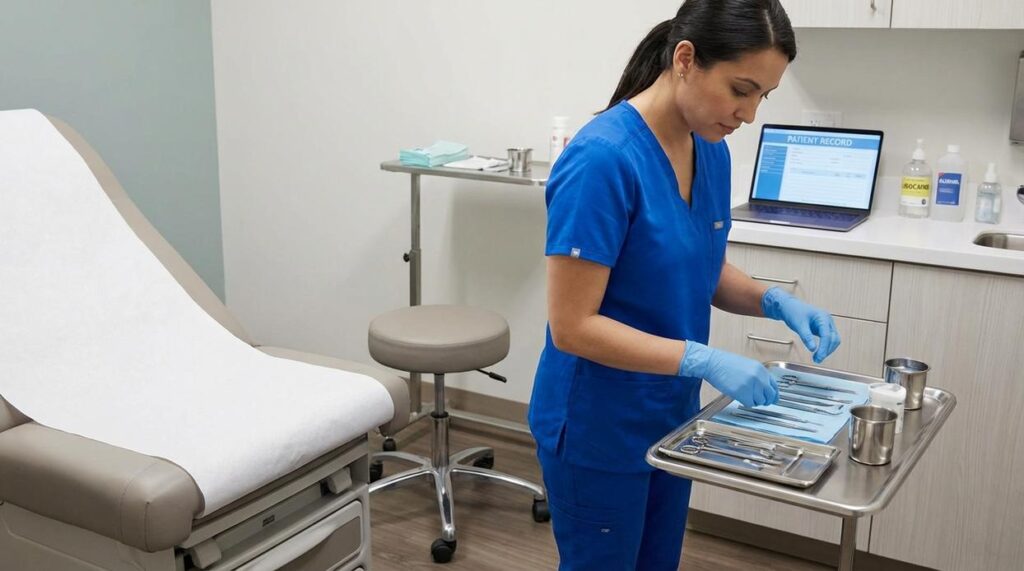
Understanding your skin is the foundation of every effective beauty routine. Whether you’re struggling with breakouts, dryness, sensitivity, or uneven texture, the real solution starts with identifying what your skin truly needs—not guessing based on trends. This article is designed to give you clear, science-backed guidance on how to assess your skin type, recognize common concerns, and choose products and techniques that actually work.
We break down the essentials of professional skin analysis, explaining how experts evaluate hydration levels, barrier health, pore condition, and underlying sensitivities to create targeted skincare strategies. By translating dermatological principles and cosmetic science into practical steps, this guide helps you make informed decisions about treatments, ingredients, and daily routines.
Our insights are grounded in established skincare research, clinical best practices, and expert-backed beauty methodologies—so you can move forward with confidence, clarity, and a routine tailored specifically to your skin’s needs.
Your skin’s story shouldn’t be written by guesswork. If you’ve ever tried to diagnose breakouts, dryness, or sensitivity with online quizzes, you know the frustration: conflicting advice, expensive products, zero results. This guide demystifies what truly happens during a comprehensive dermatological evaluation, grounded in established science and clinical best practices. You’ll learn how to prepare, what questions to ask, and why a professional skin analysis is the turning point for real, lasting skin health. Bring a list of products you’re using and note recent changes. One focused appointment can replace months of trial and error. Clarity starts with expertise. Today.
What a “Comprehensive Evaluation” Actually Means
A comprehensive evaluation is not a fancy term for a quick glance at your skin. It’s a full medical assessment of your body’s largest organ—the skin—designed to detect disease, not just enhance appearance. While a facial may leave you glowing (and relaxed), it cannot diagnose melanoma or prescribe treatment.
A true evaluation includes three core components:
- Detailed medical and family history: Past sunburns, medications, autoimmune conditions, and family history of skin cancer all matter. For example, someone with a parent who had melanoma carries a higher lifetime risk (American Academy of Dermatology).
- Complete head-to-toe visual examination: This means checking areas you rarely see—scalp, soles, even between toes. Skin cancers often appear in unexpected places.
- Lifestyle and product review: Daily SPF habits, tanning bed use, and active ingredients like retinoids shape your risk profile and treatment plan.
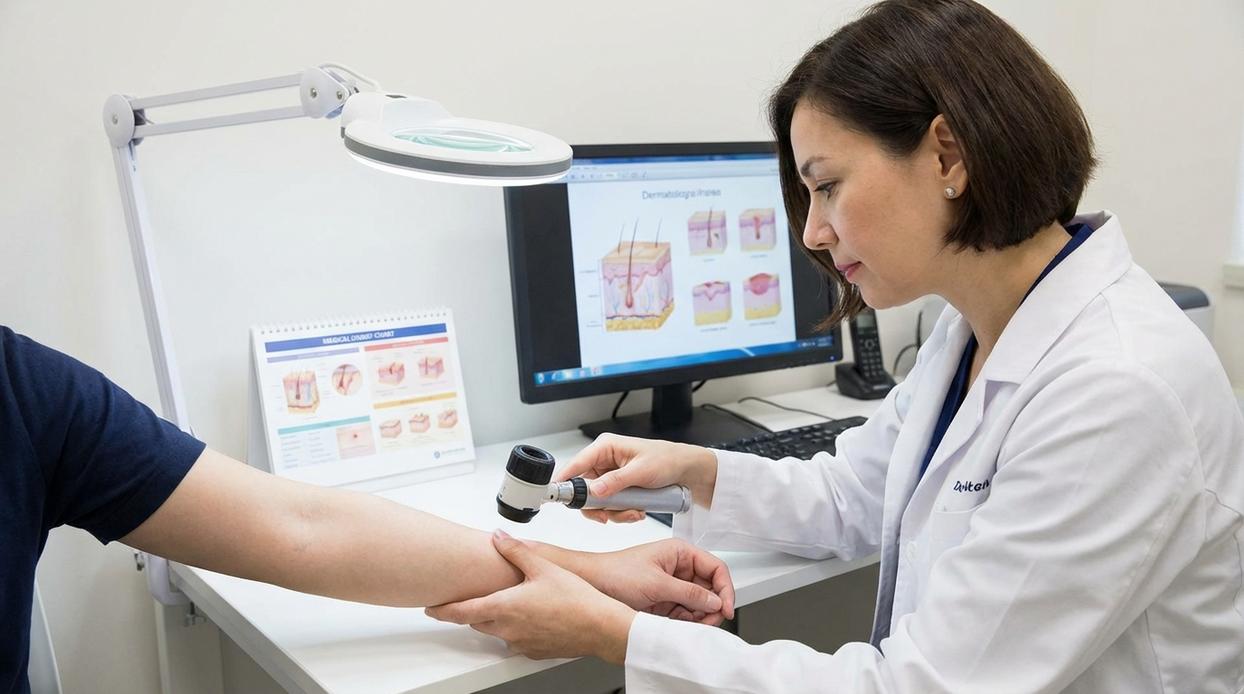
Dermatologists also use a dermatoscope, a magnifying device that reveals subsurface pigment patterns invisible to the naked eye—critical for distinguishing harmless freckles from suspicious lesions.
Unlike a beauty counter consultation, this appointment has diagnostic authority and prescriptive power. A professional skin analysis may assess hydration or texture, but only a licensed clinician can biopsy a mole or prescribe medication. That distinction isn’t cosmetic—it’s clinical.
How to Prepare for Your Dermatologist Appointment for Maximum Benefit
Preparing properly ensures you get real value—not just a quick prescription and goodbye. First, arrive with a clean slate. That means no makeup, nail polish, or heavy moisturizers. When your skin is product-free, your dermatologist can see its true texture, tone, and underlying concerns without interference. This allows for a more accurate professional skin analysis and better treatment recommendations.
Next, compile your history. Write down every skincare product you use (or snap photos), along with medications and supplements. Certain ingredients—like retinoids or biotin—can affect your skin or test results (yes, even that “harmless” gummy vitamin). The benefit? Fewer surprises and a plan tailored specifically to you.
In addition, document your concerns. List questions and photograph intermittent issues such as rashes or acne flare-ups. Skin can be unpredictable—like a cameo villain who disappears before the hero arrives. Having proof helps your doctor connect the dots quickly.
Finally, know your family’s skin history, especially regarding skin cancer, eczema, or psoriasis. According to the American Academy of Dermatology, family history significantly impacts risk levels.
By preparing thoughtfully, you walk away with clearer answers, smarter solutions, and greater confidence in your skin journey.
Start with an anecdote about X: The first time I booked a skin exam, I nearly canceled. I imagined harsh lights, bad news, and awkward silence. Instead, the visit felt surprisingly calm—and knowing what would happen made all the difference.
First, the initial discussion sets the tone. The dermatologist reviews your notes and asks targeted questions about changes you’ve noticed, family history, sun exposure, and skincare habits. In other words, this is a conversation, not an interrogation. If you mention a mole that recently darkened or a patch that won’t heal, they’ll zero in on those details. (Pro tip: photos of past flare-ups help more than you think.)
Next comes the full-body check. You’ll change into a medical gown, and the doctor will visually examine your skin from head to toe. Yes, that includes the scalp, behind the ears, between the toes, and under the nails—spots we often forget. It’s thorough but methodical, much like a professional skin analysis, and typically takes only minutes.
Then, the dermatoscope in action. This handheld device uses magnification and polarized light to reveal patterns beneath the surface. Think of it as switching your phone camera to ultra-zoom—suddenly, tiny structures become clear.
Finally, addressing the “what if.” If something looks suspicious, a biopsy may be recommended. That simply means removing a small skin sample for lab testing. It’s quick, done with local anesthesia, and far more routine than most people expect. And just like that, the unknown feels manageable.
After the Evaluation: Translating Findings into an Actionable Plan
The real value of a dermatology visit isn’t just the diagnosis—it’s the direction. After a professional skin analysis, your dermatologist connects the dots: confirming rosacea instead of “just redness,” clearing a suspicious mole, or pinpointing the hormonal drivers behind stubborn acne. That clarity alone can save months (and hundreds of dollars) in guesswork.
From Diagnosis to Direction
You’ll leave knowing what’s actually happening beneath the surface—and why it matters.
Your Personalized Regimen
Expect a tailored plan that may include:
- Prescription treatments targeting inflammation or bacteria
- Specific over-the-counter cleansers and broad-spectrum sunscreens
- Lifestyle adjustments like trigger tracking or barrier repair strategies
Many competitors stop at product suggestions. What’s often missed is dosage timing, ingredient compatibility, and realistic progress benchmarks.
The Path Forward
This isn’t trend-based skincare. It’s medical science adapted to your biology—ending the exhausting cycle of trial-and-error for good.
The search for clear, healthy skin ends here. For too long, you’ve navigated products, trends, and conflicting advice alone, hoping something would finally work. That uncertainty is exhausting—and expensive. However, there’s a better path. With a professional skin analysis and a medically guided, personalized treatment plan, you replace guesswork with clarity. The benefit? Faster, safer results, fewer wasted products, and real, measurable improvement in your skin’s health. Instead of chasing hype, you follow science tailored to you. Now, take the next step: schedule an appointment with a board-certified dermatologist and start building lasting, confident skin from the inside out today.
Your Clear Path to Healthier, Radiant Skin
You started this guide because you wanted real answers—why your skin behaves the way it does, which products actually work, and how to build a routine that delivers visible results. Now you understand how ingredients, techniques, and consistency come together to transform your skin.
The frustration of wasting money on the wrong products or following trends that don’t suit your skin type is real. Without the right insight, it’s easy to feel stuck with breakouts, irritation, dryness, or dullness that never seems to improve.
That’s why taking the next step matters. A professional skin analysis can pinpoint exactly what your skin needs and eliminate the guesswork holding you back. Instead of experimenting blindly, you’ll have a clear, personalized plan designed for real results.
If you’re ready to stop second-guessing your routine and finally see consistent improvement, book your professional skin analysis today. Join thousands who have already transformed their skin with expert-backed guidance—your healthiest, most confident glow starts now.