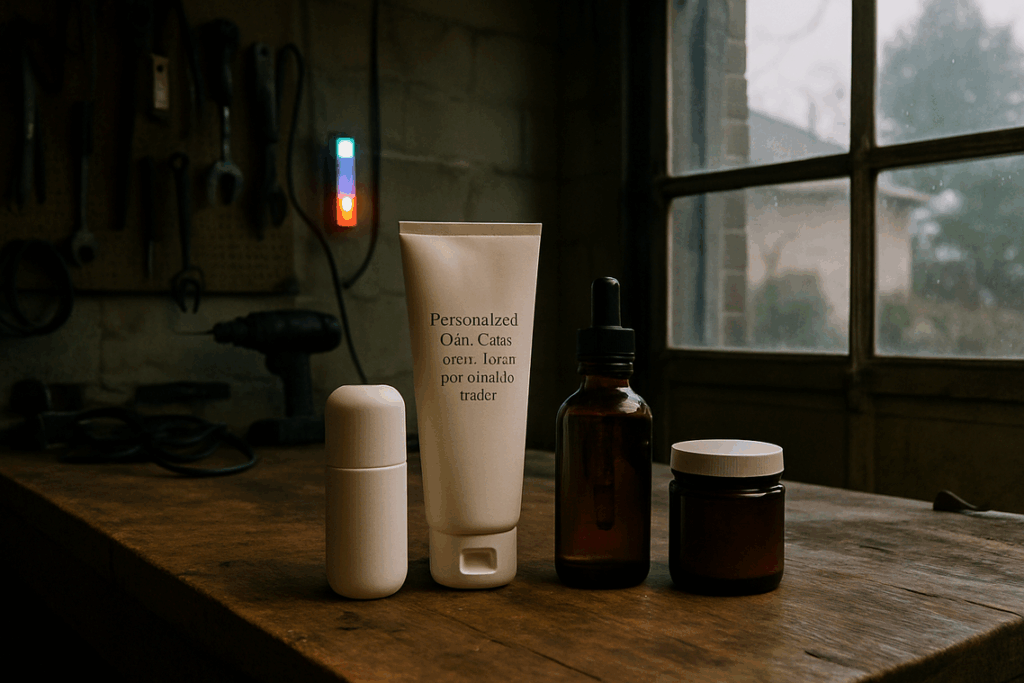
Achieving radiant, healthy skin shouldn’t feel confusing or overwhelming. If you’ve ever felt lost in a sea of products, trends, and conflicting advice, you’re not alone. This guide simplifies the process by breaking down exactly how to build a daily beauty routine from the ground up using science-backed principles that actually work. Instead of guesswork, you’ll get a clear, step-by-step framework designed to help you choose the right products, apply them in the correct order, and maintain consistency. By the end, you’ll have an actionable plan to create and sustain a skincare regimen that supports long-term, visible results.
The Core Four: Your Non-Negotiable Daily Steps
A few years ago, I tried skipping cleanser at night because I was “too tired.” Within a week, my skin looked dull, congested, and frankly annoyed (if skin could roll its eyes, it would). That’s when I committed to the Core Four—simple steps that anchor my daily beauty routine no matter what.
Step 1: Cleanse (AM/PM)
First, cleanse. In the morning, this can be a gentle rinse or light cleanse to remove sweat and overnight oil. At night, however, it’s non-negotiable: a thorough cleanse—ideally double cleansing (using an oil-based cleanser followed by a water-based one)—to remove makeup, sunscreen, and pollution. Cleansing clears impurities that clog pores and contribute to breakouts and irritation (American Academy of Dermatology).
Some argue overwashing damages the skin barrier. That’s true—if you’re using harsh formulas. The solution isn’t skipping cleanser; it’s choosing one suited to your skin type.
Step 2: Treat (AM/PM)
Next comes treatment—targeted serums designed to address specific concerns. In the morning, antioxidants like Vitamin C help neutralize free radicals from UV rays and pollution (Harvard Health). At night, retinoids or peptides support repair and renewal, improving fine lines and uneven tone over time.
I used to think moisturizer alone was enough. It wasn’t. Treatments are concentrated formulas that actually do the corrective work.
Step 3: Moisturize (AM/PM)
Moisturizers hydrate and lock in active ingredients while supporting the skin barrier. Even oily skin needs hydration; without it, skin can overproduce oil to compensate (counterproductive, right?).
Step 4: Protect (AM)
Finally, sunscreen—broad-spectrum SPF 30+. Daily use significantly reduces premature aging and skin cancer risk (Skin Cancer Foundation). If you skip everything else, don’t skip this. Think of it as your skin’s seatbelt—unexciting, but absolutely essential.
Beyond the Basics: Tailoring Your Regimen to Your Skin Type

Not all skin is created equal—and treating it like it is can backfire. Your daily beauty routine should shift based on what your skin actually needs (not what’s trending on TikTok).
Oily or Acne-Prone Skin
Look for lightweight, non-comedogenic (meaning it won’t clog pores) moisturizers and cleansers with salicylic acid, a beta hydroxy acid that exfoliates inside pores. Niacinamide—vitamin B3—helps regulate oil production and calm redness. Some argue oily skin doesn’t need moisturizer. That’s a myth. Skipping hydration can trigger even more oil production (your skin overcompensates).
Dry Skin
Dry skin lacks oil and often struggles with a weakened skin barrier—the outer layer that locks in moisture. Creamy cleansers prevent stripping natural lipids. Hyaluronic acid serums attract water to the skin, while ceramides (lipids naturally found in skin) reinforce the barrier. Hydration is not the same as moisturization—you need both.
Combination Skin
This skin type means an oily T-zone (forehead, nose, chin) and drier cheeks. A balanced approach works best: lighter gels on the T-zone, richer creams on cheeks. Multi-masking—using different masks on different areas—targets concerns precisely (like skincare’s version of costume changes in a Marvel movie).
Sensitive Skin
Fragrance-free formulas are essential. Patch testing new products reduces risk. Soothing ingredients like centella asiatica and oat extract calm inflammation. Some skeptics think “sensitive” is overdiagnosed, but dermatological studies confirm increased reactivity in compromised barriers (American Academy of Dermatology).
As ingredient literacy grows—see decoding beauty labels what common skincare terms really mean—expect more personalized, microbiome-focused products in the future (a likely shift toward biotech-driven skincare). Pro tip: Introduce one new product at a time.
Elevate Your Routine: Weekly Treatments for Peak Skin Health
When your daily beauty routine feels solid but your glow still falls flat, weekly treatments can bridge the gap. Think of them as targeted upgrades rather than extra steps.
Exfoliation (1–3x a Week)
First, let’s clarify a common confusion: chemical vs. physical exfoliation. Chemical exfoliants use acids like AHAs (alpha hydroxy acids) and BHAs (beta hydroxy acids) to dissolve dead skin cells. AHAs are water-soluble and ideal for dry or dull skin, while BHAs are oil-soluble, making them better for oily or acne-prone skin. In contrast, physical scrubs manually buff away buildup with small particles.
Exfoliation removes the outer layer of dead cells, which improves product absorption and boosts radiance. However, some argue exfoliating is unnecessary if you cleanse properly. The truth? Cleansing removes surface debris, but exfoliation addresses lingering buildup (two different jobs, same team).
Choose gentle acids for sensitive skin and avoid harsh, gritty scrubs that can cause micro-tears.
Masks (1–2x a Week)
Masks act as booster treatments. Clay masks draw out excess oil and impurities, hydrating masks replenish moisture for dry skin, and sheet masks deliver a quick surge of hydration. In other words, they’re your skin’s reset button (like a power nap, but for your face).
Regimen Pitfalls: Common Mistakes That Sabotage Your Skin
Over-Exfoliating: Warning signs of a compromised skin barrier include redness, irritation, and tightness. Strip away too much, and your face reacts like it’s been through a sandstorm (really).
Inconsistency is quieter but just as damaging. A daily beauty routine beats sporadic blasts of powerhouse serums. Results come from steady, patient application, not product hopping.
Ignoring your neck and chest creates a visible mismatch; extend every cleanse and cream to the décolletage.
Using too many actives at once—retinoids, vitamin C, AHAs—can trigger irritation without guidance. What’s next? Simplify, patch-test, and rebuild slowly, carefully.
From Knowledge to Action: Building Your Consistent Routine
You came here to turn information into results—and now you have the framework to build a daily beauty routine that truly works. The real transformation happens through consistency with the Core Four, not overpriced trends. Don’t let confusion or product overload hold you back. Start simple today, stay consistent, and refine as you go. For trusted, science-backed beauty guidance, explore more expert tips and take control of your glow now.