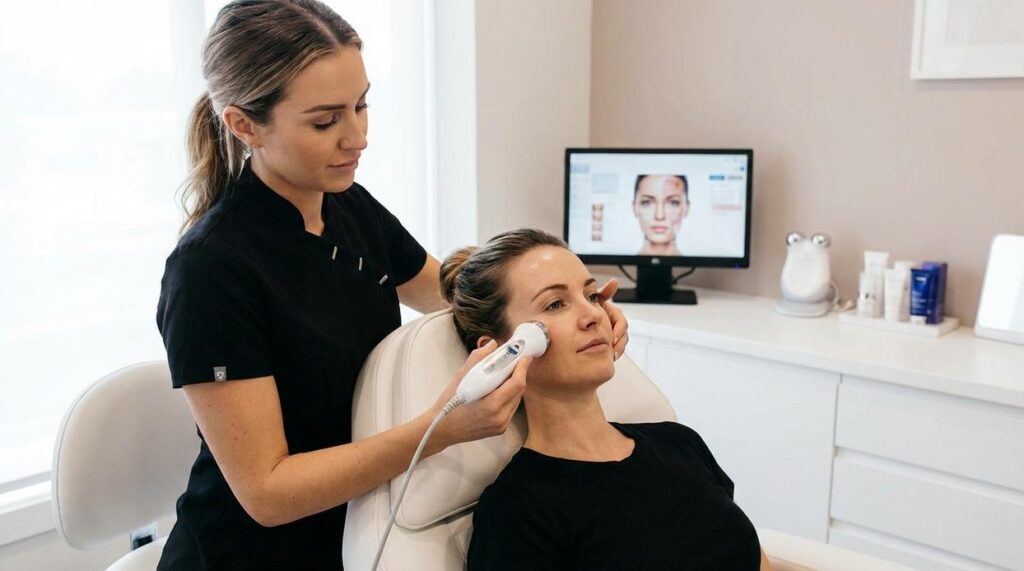
Achieving a flawless finish isn’t about owning expensive products—it’s about mastering the right professional makeup techniques. If your foundation looks cakey, your makeup fades by midday, or your features don’t stand out the way you’d like, the problem likely isn’t what you’re using, but how you’re applying it. This guide goes beyond basic tutorials to break down the core methods experts rely on for smooth, long-lasting results. From strategic skin prep to seamless base application and refined detailing, you’ll learn the exact, actionable steps that help you customize any look to enhance your unique features with confidence.
The Canvas is Everything: Advanced Skin Preparation
Great makeup is built, not painted. Your skin is the canvas, and advanced prep determines whether foundation melts in seamlessly or clings to dry patches (we’ve all seen the midday crack). Start with smart layering: serum first for targeted treatment, moisturizer to seal hydration, and SPF to protect and smooth. Apply from thinnest to thickest texture so each layer absorbs properly. Pro tip: wait 60 seconds between steps to prevent pilling.
The Science of Priming matters next. Silicone-based primers (look for ingredients ending in -cone) create a velvety barrier that blurs pores and texture—ideal for oily or uneven skin. Water-based primers, on the other hand, boost hydration and pair best with water-based foundations. Mixing mismatched bases can cause separation (like oil and water in a salad dressing). If texture is your concern, choose pore-filling formulas; for dryness, opt for hydrating primers with glycerin or hyaluronic acid.
Finally, master Strategic Color Correcting. Use green to neutralize redness, peach for dark circles, and lavender to counter sallowness before foundation. Apply sparingly and blend precisely. Think subtle filter, not superhero mask. For deeper technique refinement, explore professional breakdowns at https://example.com.
Architecting the Face: Foundation, Concealer, and Contour
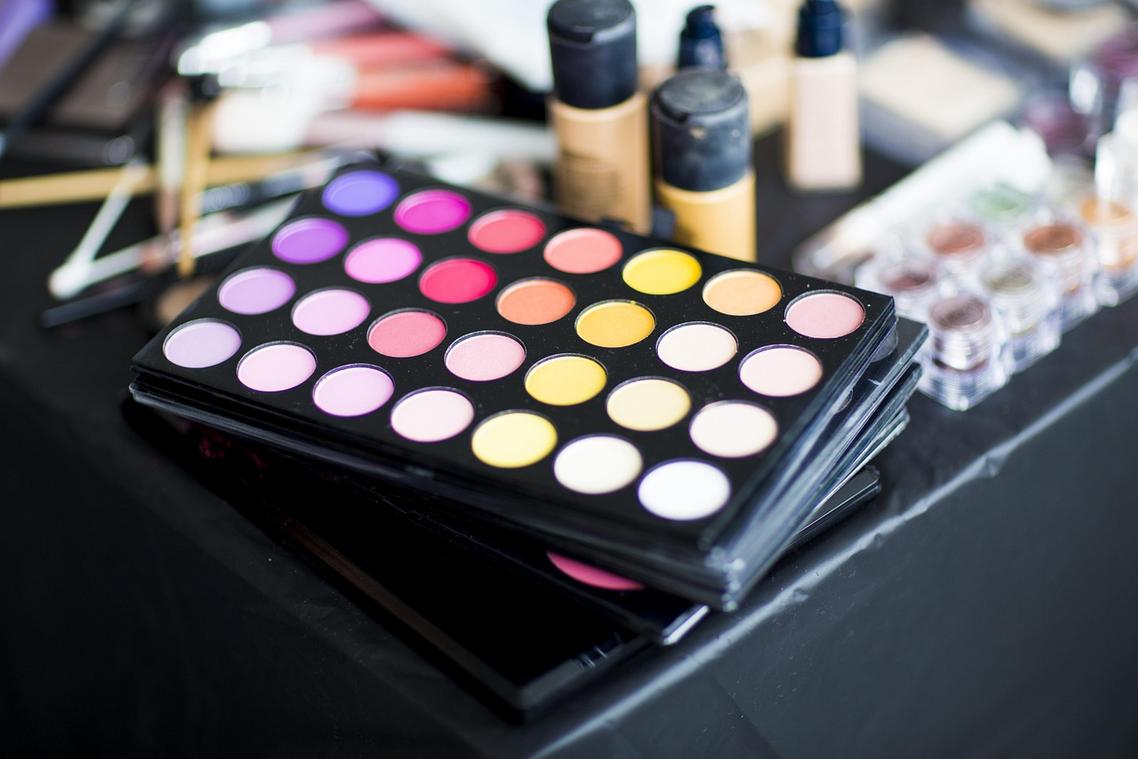
Great makeup isn’t about adding more—it’s about placing product with intention. When done correctly, strategic application enhances your features, saves product, and creates a polished yet believable finish (the “your skin, but upgraded” effect).
Foundation Mapping
Foundation Mapping focuses on applying base product only where it’s truly needed—typically the center of the face, around the nose, chin, and between the brows—then blending outward. This technique evens tone without masking natural dimension. As a result, skin looks fresher and lighter, not flat.
Brushes tend to provide fuller coverage with a polished finish. Sponges sheer out product and create a diffused, skin-like texture. Fingers, meanwhile, warm the product for seamless melting into the skin. Each method offers a different payoff, so you can tailor the finish to the occasion.
The Uplift Concealer Method
The Uplift Concealer Method brightens strategically. The “triangle of light” under the eyes reflects brightness upward, creating a lifted effect. For blemishes, however, the pinpoint technique—using a small brush to press high-coverage concealer directly onto discoloration—keeps coverage precise and undetectable. Consequently, you achieve maximum correction with minimal product.
Sculpting with Shadows and Light
Sculpting with Shadows and Light refines structure by placing contour into the natural hollows of the cheeks, along the jawline, and at the temples. Placement should follow your face shape rather than trends. Most importantly, blend thoroughly. Harsh lines defeat the purpose; soft gradients mimic real shadow. Ultimately, this approach defines features while maintaining elegance.
The Art of the Eye: Blending and Definition Techniques
Multi-Dimensional Eyeshadow: The ‘gradient’ blending technique using at least three shades (light, medium, dark) to create depth. Explain the importance of a transition shade in the crease.
At its core, a gradient look layers a light shade on the lid, a medium tone to build dimension, and a dark shade to anchor the outer corner. The often-overlooked hero is the transition shade—a mid-tone placed in the crease to soften edges between colors. Without it, shadows can look patchy (we’ve all had that “why won’t this blend?” moment). That said, some artists argue precise placement matters more than extra shades. They’re not wrong; technique can outweigh quantity. Still, in most real-world applications—especially for beginners—the transition shade acts like a buffer, making blending far more forgiving.
Mastering Eyeliner: The ‘dot-to-dot’ or ‘tightlining’ methods for a fuller lash line without a heavy look. Contrast this with creating a sharp, winged liner using tape or an angled brush as a guide.
Dot-to-dot connects tiny marks along the lashes, while tightlining fills the upper waterline for subtle density. In contrast, a winged liner relies on structure; tape or an angled brush can steady the flick. Some pros skip guides entirely, but for most, a little support prevents uneven wings (and frustration).
Building a Better Brow: The ‘hair-stroke’ method using a fine-tipped pencil or pomade to create natural-looking, feathery brows instead of a solid block of color.
Short, upward strokes mimic real hairs. Heavy filling can look dramatic, yet softer strokes adapt better to everyday wear. Pro tip: step back from the mirror frequently to check symmetry. For more foundational clarity, explore common skincare myths debunked by experts.
Finishing touches transform makeup from polished to unforgettable. First, consider Strategic Powdering: The ‘baking’ technique for undereyes and the t-zone to lock in makeup and prevent creasing, versus a light dusting of translucent powder everywhere else to set without mattifying. The powder should feel weightless, almost velvety, as it melts into warm skin and blurs shine. Then, shift focus to Lip Contouring for Fullness: How to slightly overline the cupid’s bow and center of the bottom lip with a liner that matches your lipstick to create the illusion of a fuller pout. The result? Plush, pillowy lips worthy of a red-carpet close-up.
From Daily Routine to Dazzling Artistry
You came here to move beyond guesswork and finally understand what makes makeup look polished instead of patchy. Now you have the foundational techniques—from precise skin prep to intentional sculpting—that transform your routine into refined artistry. No more cakey foundation or harsh, unblended eyeshadow. By focusing on method over products, you’re in control of a flawless, professional finish every time.
Don’t let frustration hold your skills back. Start today by mastering one technique like tightlining or foundation mapping and watch the immediate difference. Elevate your routine, refine your craft, and let your makeup enhance—not hide—your natural beauty.