
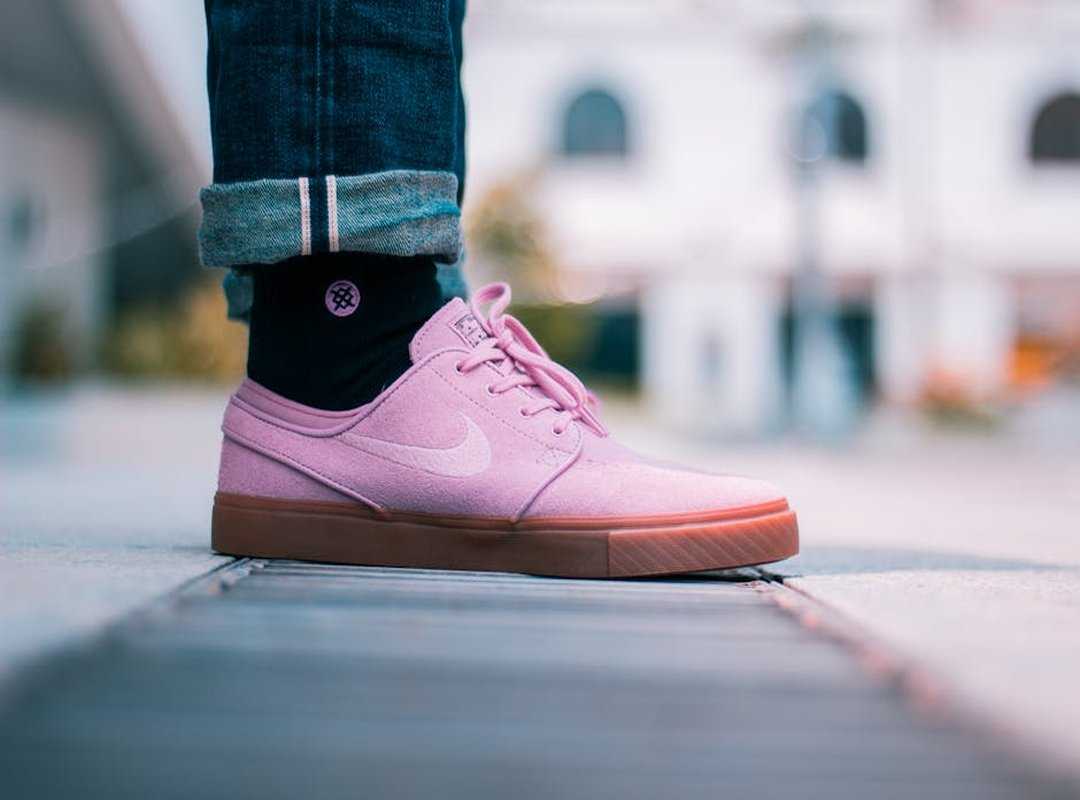
Ever stand in front of your closet, overflowing with clothes, yet feel like every pair of shoes is just wrong? You’re not alone. It’s not about owning more shoes (though who doesn’t love a new pair?) but about truly understanding how to pair them effectively.
This shoes styling guide will open up the secrets to elevating any look with the right footwear. With takeaways from trend analysis and aesthetic harmony, you’ll move beyond basic ‘do’s and don’ts.’ This guide promises clear, actionable tips to make confident choices. Ready to transform your style with confidence?
Mastering Style: Visual Weight and Style DNA
Let’s talk about Visual Weight. Ever noticed how a chunky platform sneaker feels heavier than a delicate stiletto? It’s not just physical weight.
It’s about the visual impact. You see a pair of combat boots and immediately think, “These demand attention.” They do. They need to be paired wisely.
Heavy-weight shoes like dad sneakers or combat boots work best with substantial fabrics like denim or leather. Why? Because they create a sense of balance.
It’s like watching a well-matched game of chess. You wouldn’t pair a knight against a pawn, right?
Now, on the flip side, we’ve got light-weight shoes. Ballet flats, strappy sandals, you name it. These need a little finesse.
Pair them with delicate fabrics like silk, linen, or chiffon to maintain that harmony. You don’t want to overpower them. Let them breathe.
Next, to ‘Style DNA’. This is about knowing your core style archetypes. Are you Classic, Edgy, Minimalist, or Bohemian?
Identifying these is key. It helps when you’re trying to create cohesive outfits. The best ensembles happen when your footwear’s Style DNA matches your outfit’s DNA.
Trust me, it makes a world of difference.
Want to pinpoint your Style DNA? Consider creating a mini-quiz or checklist. It’ll help you identify your dominant style.
Once you know that, everything else falls into place.
For those who want to maximize wardrobe styling tips, understanding Visual Weight and Style DNA is key. It’s the backbone of any shoes styling guide worth its salt. Remember, your shoes are more than just footwear.
They’re a statement. Make them count.
Mastering Proportions: Clothes and Shoes That Work
Let’s talk proportions. It’s a game changer in fashion. Get this right, and you’re already miles ahead of the crowd.
First, the hemline rule. If your pants are wide-leg, pair them with pointed-toe heels or platforms. Why?
They elongate your legs, giving you a sleek look. Skinny jeans? Ankle boots or sleek sneakers are your best friends.
For skirts and dresses, mini-skirts work wonders with flats or low-profile sneakers. It’s all about balance. Want to wear a midi-skirt?
Opt for heels or knee-high boots. They prevent that dreaded visual shortening effect. You know what I mean, right?
Now, to the power of the shoe’s toe shape. A pointed toe creates a longer, sleeker line. It’s like magic.
On the flip side, a square or round toe grounds your outfit. It’s less flashy, but it has its own charm. Think of them as grounding elements.
They help balance out more extravagant clothing choices.
An often overlooked detail is the ankle strap. Who do these work best for? Those with longer, slimmer legs.
But don’t worry if that’s not you. There’s a trick to styling them. Pair with shorter hemlines or cropped pants.
This avoids cutting off the leg line, which is key. Looking for a deeper dive? Check out this shoes styling guide.
Pro tip: Always consider the context. Not every shoe works for every occasion. A casual day out or a formal event demands different choices.
When it comes to fashion, confidence is key. Choose shoes that make you feel solid. That’s the secret sauce.
Mixing styles can be daunting, but it’s liberating once you get the hang of it. Don’t be afraid to experiment. Trust your instincts.
You know what works for you better than anyone else. The right pairing can truly raise your outfit. And remember, fashion should be fun.
Make choices that bring you joy.
Color Theory: Shoes That Speak
Color theory in fashion isn’t just about matching. It’s a game-changer. Moving past the basic black rule, to some advanced strategies.

First up, the Monochromatic Look. Matching your shoes to your pants or tights creates an unbroken line. This trick elongates your silhouette (who doesn’t want that?).
For neutral tones, think beige or gray. Bold colors like emerald green or royal blue can make a striking statement too.
Next, the ‘Bookend’ Technique. Match your shoes with a color in your top, bag, or accessories. It pulls everything together in a polished, intentional way.
Imagine wearing a navy scarf and matching it with navy shoes. Suddenly, you’re not just dressed; you’re styled.
Then there’s the Statement Shoe. Use your footwear as the main pop of color in a neutral outfit. The key is to select colors that truly stand out.
Red, cobalt blue, and metallics are fantastic choices. They draw attention and raise a simple outfit into something memorable.
Nude shoes deserve a mention. ‘Nude’ means matching your specific skin tone. They create the ultimate leg-lengthening effect. It’s like magic.
You can pair them with almost anything, and they won’t let you down.
Does this sound like a shoes styling guide worth trying? I think so. These strategies are practical and effective.
They help you look put together without much effort.
For more on how to integrate these ideas with other trends, check out seasonal layering tips style. It’s about finding the right balance.
Remember, fashion isn’t just about clothes. It’s about making choices that reflect who you are. So, why not start with your shoes?
They’re more solid than you think.
Styling for Key Occasions: Shoes That Speak
When it comes to getting dressed, shoes often get less attention than they deserve. But let me tell you, they can make or break an outfit (and I’m not exaggerating). So here’s my take on the ultimate shoes styling guide for three common occasions.
Weekend Casual calls for versatile options. Think clean white sneakers or leather loafers. Why? They balance visual weight beautifully and have that classic Style DNA we all crave. You’ll look effortlessly put together.
For Business Professional, you can’t go wrong with classic pumps or elegant block heels. They work wonders with tailored trousers or skirts by enhancing the silhouette. (Trust me, your outfit will thank you.)
Evening & Events? Go for strappy heels or metallic flats. Metallics act as a neutral, effortlessly blending with any color scheme, while delicate shoes offer the perfect visual weight for formal wear. Ready to step up your shoe game?
Stride Ahead With Simple Shoe Savvy
Feeling lost in the shoe selection wilderness? I get it. A massive shoe collection isn’t the solution.
What you need is a smarter styling plan. Think weight, silhouette, color. With these principles, you can build outfits that look polished and intentional.
Trust me, you don’t need a fashion degree to pull this off.
Now, it’s your turn. Tomorrow, step into your closet with your new shoes styling guide in mind. Start small.
Apply one principle and see the change. You’ve got the tips. Now take action.
Transform your style one pair at a time.
Ready? Let’s go.
 Jessica Sanfordezora
Ask Jessica Sanfordezora how they got into makeup application techniques and you'll probably get a longer answer than you expected. The short version: Jessica started doing it, got genuinely hooked, and at some point realized they had accumulated enough hard-won knowledge that it would be a waste not to share it. So they started writing.
What makes Jessica worth reading is that they skips the obvious stuff. Nobody needs another surface-level take on Makeup Application Techniques, Expert Insights, Trend Tracker Pro. What readers actually want is the nuance — the part that only becomes clear after you've made a few mistakes and figured out why. That's the territory Jessica operates in. The writing is direct, occasionally blunt, and always built around what's actually true rather than what sounds good in an article. They has little patience for filler, which means they's pieces tend to be denser with real information than the average post on the same subject.
Jessica doesn't write to impress anyone. They writes because they has things to say that they genuinely thinks people should hear. That motivation — basic as it sounds — produces something noticeably different from content written for clicks or word count. Readers pick up on it. The comments on Jessica's work tend to reflect that.
Jessica Sanfordezora
Ask Jessica Sanfordezora how they got into makeup application techniques and you'll probably get a longer answer than you expected. The short version: Jessica started doing it, got genuinely hooked, and at some point realized they had accumulated enough hard-won knowledge that it would be a waste not to share it. So they started writing.
What makes Jessica worth reading is that they skips the obvious stuff. Nobody needs another surface-level take on Makeup Application Techniques, Expert Insights, Trend Tracker Pro. What readers actually want is the nuance — the part that only becomes clear after you've made a few mistakes and figured out why. That's the territory Jessica operates in. The writing is direct, occasionally blunt, and always built around what's actually true rather than what sounds good in an article. They has little patience for filler, which means they's pieces tend to be denser with real information than the average post on the same subject.
Jessica doesn't write to impress anyone. They writes because they has things to say that they genuinely thinks people should hear. That motivation — basic as it sounds — produces something noticeably different from content written for clicks or word count. Readers pick up on it. The comments on Jessica's work tend to reflect that.