
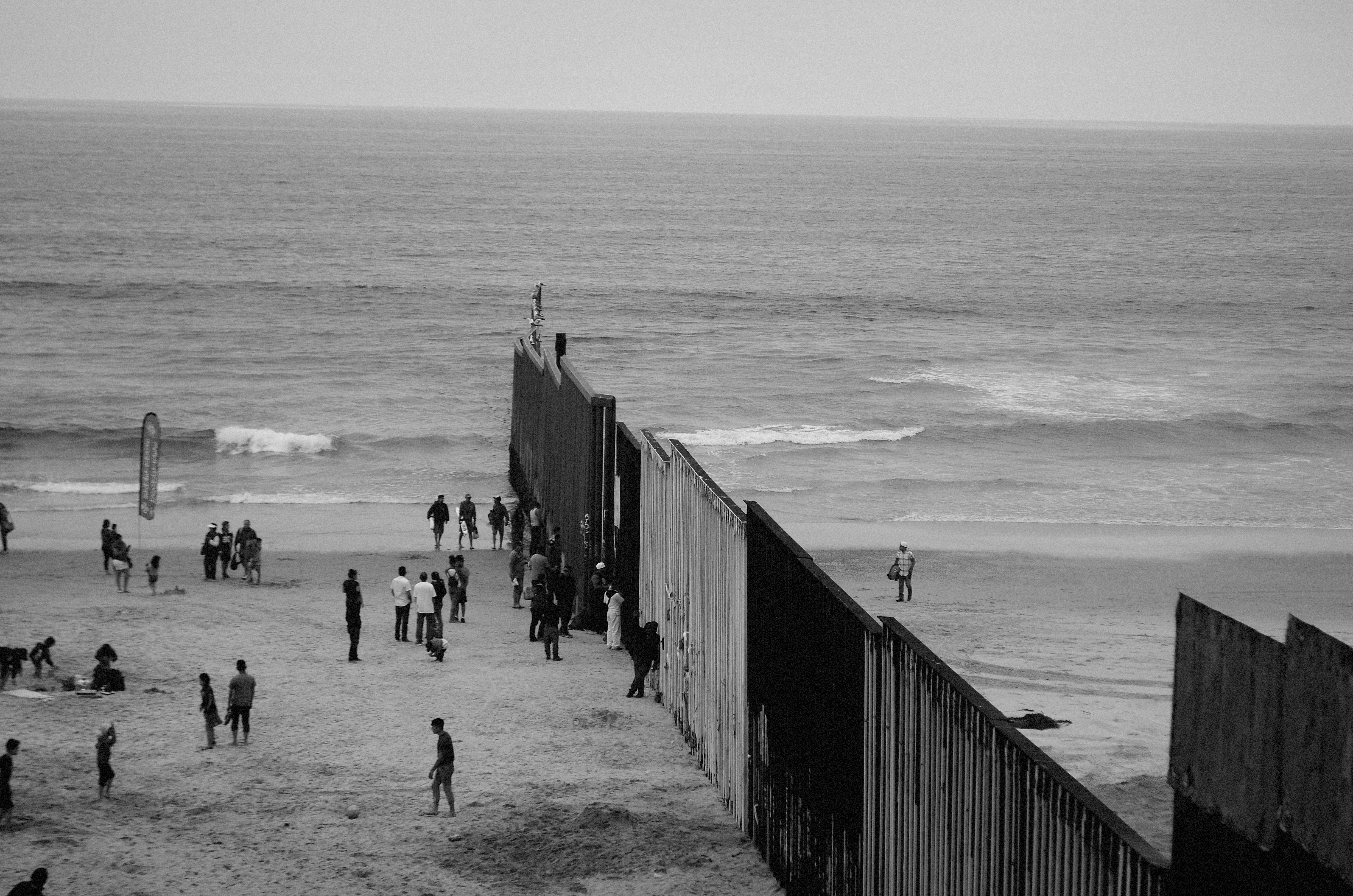
Borders are barriers to separate countries, but rivers do a different job. They connect people, towns, cities, and cultures along their twisting ways. If a river could speak, the Danube would always be talking someone’s ears off. This river is not just an ordinary one you follow; it is a living corridor where landscapes change, cultures interact, and every wave seems to tell a different story quietly.
The Danube River is one of Europe’s epic expeditions to set out on. It connects many landscapes, cultures, and centuries of history in a single ongoing way that is best experienced steadily, especially when you are embarking on a Danube river cruise. While being on a river cruise, you don’t just see it—you enjoy each moment of your tour and go deep inside its story.
Natural Connector Across a Divided World
When a river passes through ten different states, it holds more value than just being water moving across land. It just feels like a slow-moving ribbon of time—leaving behind ancient castles, drowsy riverside villages, and big cities that once created history.
It joins people who speak different languages, have their own traditions, and live under different governments, yet they all meet and mix by the same moving water. That is what makes it so worthy.
One Route Across Nations
As the waterway moves on from its origin toward the sea, it goes through some remarkable changes. In one country, it may run through rocky mountains, while in another, it twists through ancient landscapes rich in tradition. Further downstream, it may support vast agricultural areas that may depend on its waters for irrigation.
Each nation plays its vital role in adding to the river’s story. For a long time, the river has served traders, visitors, cultures, and stories from one nation to another. This striking reality creates what is known as a border paradox—a river that runs through many nations, but truly belongs to none of them.
A Pathway Reminding History
In the past, when modern roads, railways, and airports were not developed, rivers fulfilled the role of natural highways. Traders carried goods through waterways, expeditors followed river routes to explore new areas, and civilizations flourished near trusted water sources.
Just imagine how much historic legacy a river holds that flows through ten different countries. Empires climbed and fell along its banks. Trade routes joined distant markets. Cultural impacts spread from one land to another through cross-generational interplay. The waterway behaves as a living museum, preserving centuries of interpersonal relationships.
The Environmental Challenges Beneath the Beauty
While the international flow of rivers creates opportunities, they also bring along many challenges. Pollution introduced in one country can leave impacts on communities hundreds of miles away. Changes in water use upstream can harm nature and farming far downstream.
Environmental issues affecting one part of the river naturally shared concerns for all nations connected by it because the river passes through many countries. Governments of all nations should wisely use the water resources and work on the major need of keeping the water clean and reducing the bad effects of dirty water.
Economic Connections Across Borders
International rivers play a key role in local economies. They flourish in agriculture, transportation, tourism, fishing industries, and hydroelectric power generation. Millions of people earn their bread and butter on these waterways.
Commercial ships may travel through multiple countries during one time journey. Tourists explore riverfront cities, generating income for local businesses. Farmers rely on continuous water sources to cultivate crops that feed the whole world’s population.
A Bridge Where Humanity Meets
It may be the most fascinating aspect of waterpath crossing ten sovereign nations is what it exposes about humanity itself. Though there are differences in language, culture, religion, and politics, people living along the river mostly have the same hopes and interests.
When the world often focuses on division, these waterways offer a different outlook. They prove that cooperation is not only possible but integral. The future of the river depends on combined efforts rather than individual interests.
The Hidden Lesson in the Border Paradox
It challenges the common idea we hold about nations and boundaries. It keeps reminding us that while borders define countries, nature truly makes connections that are stronger than dividers.
As the river proceeds on its eternal journey, it serves as a strong symbol of interdependence—a realistic reminder that even in a world of distinct nations, we stay connected by the resources, environments, and experiences we share. The watercourse’s greatest success may not be the distance it covers but the numberless people and civilizations it unites on the way.
The border paradox of the Danube is much more than a geographical wonder—it is a lesson for the modern world. It shows how nations can work and grow together. They can preserve common treasures and build bridges across cultures. Flowing through ten different lands yet belonging to no one, the waterway continues to prove that some of nature’s awe-inspiring landscapes become most valuable when they are shared.
Conclusion
The Danube River continues to flow through ten distinct sovereign nations. Its journey starts silently in the Black Forest, yet it heads towards something far greater than water in movement. It carries much more than water—it carries stories, traditions, and the spirit of humanity.
Crossing multiple nations without stopping is a symbol of unity in a world often divided by boundaries. Countries may be divided by borders, but they all count on the same water. The river keeps reminding us that some of the bold connections are the ones that nature generates.
 Jessica Sanfordezora
Ask Jessica Sanfordezora how they got into makeup application techniques and you'll probably get a longer answer than you expected. The short version: Jessica started doing it, got genuinely hooked, and at some point realized they had accumulated enough hard-won knowledge that it would be a waste not to share it. So they started writing.
What makes Jessica worth reading is that they skips the obvious stuff. Nobody needs another surface-level take on Makeup Application Techniques, Expert Insights, Trend Tracker Pro. What readers actually want is the nuance — the part that only becomes clear after you've made a few mistakes and figured out why. That's the territory Jessica operates in. The writing is direct, occasionally blunt, and always built around what's actually true rather than what sounds good in an article. They has little patience for filler, which means they's pieces tend to be denser with real information than the average post on the same subject.
Jessica doesn't write to impress anyone. They writes because they has things to say that they genuinely thinks people should hear. That motivation — basic as it sounds — produces something noticeably different from content written for clicks or word count. Readers pick up on it. The comments on Jessica's work tend to reflect that.
Jessica Sanfordezora
Ask Jessica Sanfordezora how they got into makeup application techniques and you'll probably get a longer answer than you expected. The short version: Jessica started doing it, got genuinely hooked, and at some point realized they had accumulated enough hard-won knowledge that it would be a waste not to share it. So they started writing.
What makes Jessica worth reading is that they skips the obvious stuff. Nobody needs another surface-level take on Makeup Application Techniques, Expert Insights, Trend Tracker Pro. What readers actually want is the nuance — the part that only becomes clear after you've made a few mistakes and figured out why. That's the territory Jessica operates in. The writing is direct, occasionally blunt, and always built around what's actually true rather than what sounds good in an article. They has little patience for filler, which means they's pieces tend to be denser with real information than the average post on the same subject.
Jessica doesn't write to impress anyone. They writes because they has things to say that they genuinely thinks people should hear. That motivation — basic as it sounds — produces something noticeably different from content written for clicks or word count. Readers pick up on it. The comments on Jessica's work tend to reflect that.