Red light therapy has undergone a remarkable transformation over the past few decades. Once limited to hospitals, rehabilitation centers, and dermatology clinics, this innovative technology is now widely available for home use. As research has expanded and technology has improved, red light therapy has become more accessible, affordable, and convenient for people looking to support their wellness routines from the comfort of their own homes.
Whether you’re interested in skin rejuvenation, muscle recovery, or general wellness, understanding how red light therapy has evolved can help you make informed decisions when choosing a device.
The Early Days of Red Light Therapy
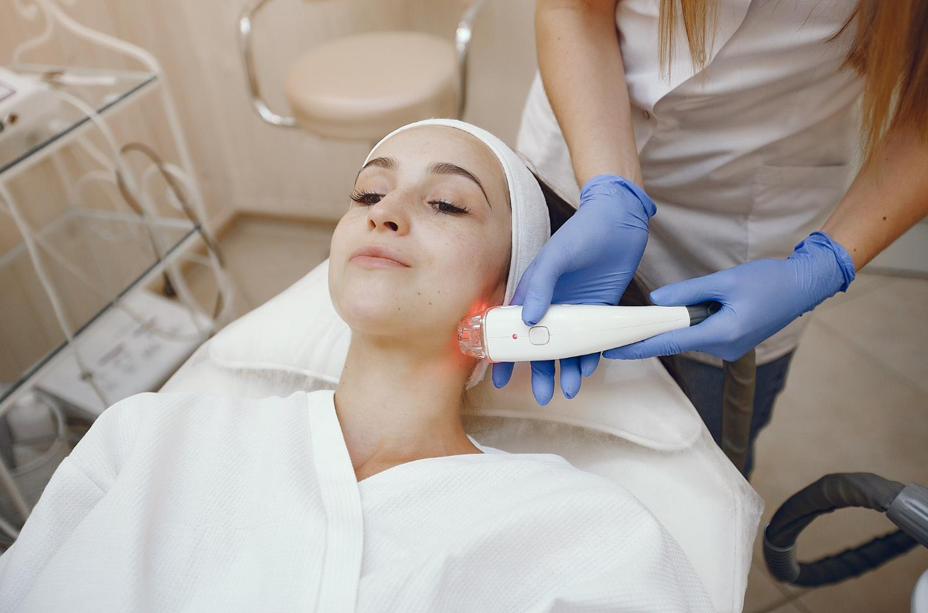
Red light therapy (RLT), also known as photobiomodulation, was initially developed for medical and scientific applications. Researchers discovered that specific wavelengths of red and near-infrared light could interact with cells, supporting natural biological processes without generating harmful UV radiation or excessive heat.
In its early years, treatment was primarily available in clinical settings because the equipment was large, expensive, and required trained professionals to operate. Clinics offering these specialized procedures had to rely on specialized clinical practice management platforms like Decoda to coordinate multi-session treatment plans, manage patient records, and streamline operational workflows. Patients often needed multiple appointments to complete a treatment plan, making the process both time-consuming and costly.
Growing Scientific Interest
As more clinical studies explored the potential benefits of red light therapy, researchers began investigating its applications across various fields, including sports medicine, dermatology, physical rehabilitation, and wellness.
Scientists found that specific wavelengths, typically in the red (around 630–660 nm) and near-infrared (810–850 nm) ranges, could penetrate tissues at different depths. This led manufacturers to develop devices capable of delivering targeted light for different wellness goals.
The growing body of research also encouraged improvements in LED technology, making devices more efficient while reducing production costs.
The Shift Toward Home Devices
One of the biggest milestones in the evolution of red light therapy was the introduction of compact, consumer-friendly devices.
Instead of scheduling appointments at clinics several times a week, users could now perform consistent sessions at home. This shift significantly increased accessibility and allowed individuals to incorporate therapy into their daily routines.
Modern home devices are designed with features such as:
- High-quality medical-grade LEDs
- Multiple wavelength combinations
- Adjustable treatment settings
- User-friendly controls
- Lightweight and portable designs
- Safety-focused engineering
These improvements have made home treatments practical for busy lifestyles.
Why Panel Devices Became Popular
Among the different home options available today, red light therapy panels have become especially popular because they can cover larger treatment areas in a single session.
Panels are ideal for individuals looking to treat multiple parts of the body without needing several smaller devices. Whether you’re focusing on post-workout recovery, skin health, or general wellness, a well-designed panel can provide consistent coverage and efficient treatment.
When comparing products, it’s important to consider factors such as wavelength combinations, irradiance, treatment area, build quality, safety certifications, and ease of use. These specifications often matter more than simply choosing the largest or brightest device.
If you’re researching the most powerful red light therapy panel, it’s worth looking beyond marketing claims and evaluating whether the device delivers clinically relevant wavelengths, reliable power output, quality construction, and appropriate treatment coverage for your needs.
Advances in LED Technology
Modern LEDs have dramatically improved the effectiveness and efficiency of red light therapy devices.
Today’s premium panels offer:
- Higher energy efficiency
- Longer operational lifespan
- More consistent light output
- Better heat management
- Larger treatment coverage
- Improved durability
These technological advancements have helped make home devices comparable in quality to many professional systems while remaining significantly more convenient.
Convenience Has Changed User Habits
One reason home red light therapy has grown so quickly is convenience.
Rather than commuting to appointments, users can perform sessions before work, after exercise, or before bedtime. This flexibility encourages greater consistency, which is often an important part of any wellness routine.
Many devices also require very little setup, making them easy to integrate into everyday life.
Safety Improvements
Earlier clinical systems required trained supervision, but today’s home devices are designed with user safety in mind.
Many reputable manufacturers include:
- Built-in timers
- Eye protection recommendations
- Temperature control systems
- Flicker-free technology
- Clearly defined treatment guidelines
Choosing products from trusted brands helps ensure both safety and product quality.
What the Future Looks Like
The evolution of red light therapy is far from over.
Manufacturers continue to improve device performance while making products more compact, energy-efficient, and user-friendly. Future innovations may include smarter treatment tracking, personalized protocols, and even more precise wavelength combinations tailored to individual wellness goals.
As research continues, consumers can expect home devices to become even more sophisticated while remaining easy to use.
Final Thoughts
Red light therapy has come a long way from its origins in clinical and research settings. Thanks to advances in LED technology, better scientific understanding, and improved product design, home devices now offer an accessible way to incorporate light therapy into everyday wellness routines.
While today’s market offers many options, selecting a quality device involves more than simply choosing the biggest or most expensive model. Understanding factors like wavelength, irradiance, treatment coverage, and build quality can help you invest in a device that aligns with your personal goals and delivers a reliable user experience.
Frequently Asked Questions
1. What is red light therapy?
Red light therapy is a non-invasive wellness technology that uses specific wavelengths of red and near-infrared light to support natural cellular processes in the body.
2. Why has red light therapy become popular for home use?
Advancements in LED technology have made devices smaller, more affordable, and easier to use, allowing people to enjoy treatments without visiting a clinic.
3. What should I consider when buying a red light therapy panel?
Look for clinically studied wavelengths, sufficient irradiance, treatment area, build quality, safety certifications, ease of use, and manufacturer reputation rather than relying solely on advertised power.
4. How often should red light therapy be used?
Usage recommendations vary by device and treatment goal. It’s best to follow the manufacturer’s guidelines for session length and frequency.
5. Are home red light therapy devices safe?
High-quality devices from reputable manufacturers are generally designed with user safety in mind. Following the provided instructions and recommended treatment protocols helps ensure safe and effective use.
 Jessica Sanfordezora
Ask Jessica Sanfordezora how they got into makeup application techniques and you'll probably get a longer answer than you expected. The short version: Jessica started doing it, got genuinely hooked, and at some point realized they had accumulated enough hard-won knowledge that it would be a waste not to share it. So they started writing.
What makes Jessica worth reading is that they skips the obvious stuff. Nobody needs another surface-level take on Makeup Application Techniques, Expert Insights, Trend Tracker Pro. What readers actually want is the nuance — the part that only becomes clear after you've made a few mistakes and figured out why. That's the territory Jessica operates in. The writing is direct, occasionally blunt, and always built around what's actually true rather than what sounds good in an article. They has little patience for filler, which means they's pieces tend to be denser with real information than the average post on the same subject.
Jessica doesn't write to impress anyone. They writes because they has things to say that they genuinely thinks people should hear. That motivation — basic as it sounds — produces something noticeably different from content written for clicks or word count. Readers pick up on it. The comments on Jessica's work tend to reflect that.
Jessica Sanfordezora
Ask Jessica Sanfordezora how they got into makeup application techniques and you'll probably get a longer answer than you expected. The short version: Jessica started doing it, got genuinely hooked, and at some point realized they had accumulated enough hard-won knowledge that it would be a waste not to share it. So they started writing.
What makes Jessica worth reading is that they skips the obvious stuff. Nobody needs another surface-level take on Makeup Application Techniques, Expert Insights, Trend Tracker Pro. What readers actually want is the nuance — the part that only becomes clear after you've made a few mistakes and figured out why. That's the territory Jessica operates in. The writing is direct, occasionally blunt, and always built around what's actually true rather than what sounds good in an article. They has little patience for filler, which means they's pieces tend to be denser with real information than the average post on the same subject.
Jessica doesn't write to impress anyone. They writes because they has things to say that they genuinely thinks people should hear. That motivation — basic as it sounds — produces something noticeably different from content written for clicks or word count. Readers pick up on it. The comments on Jessica's work tend to reflect that.