
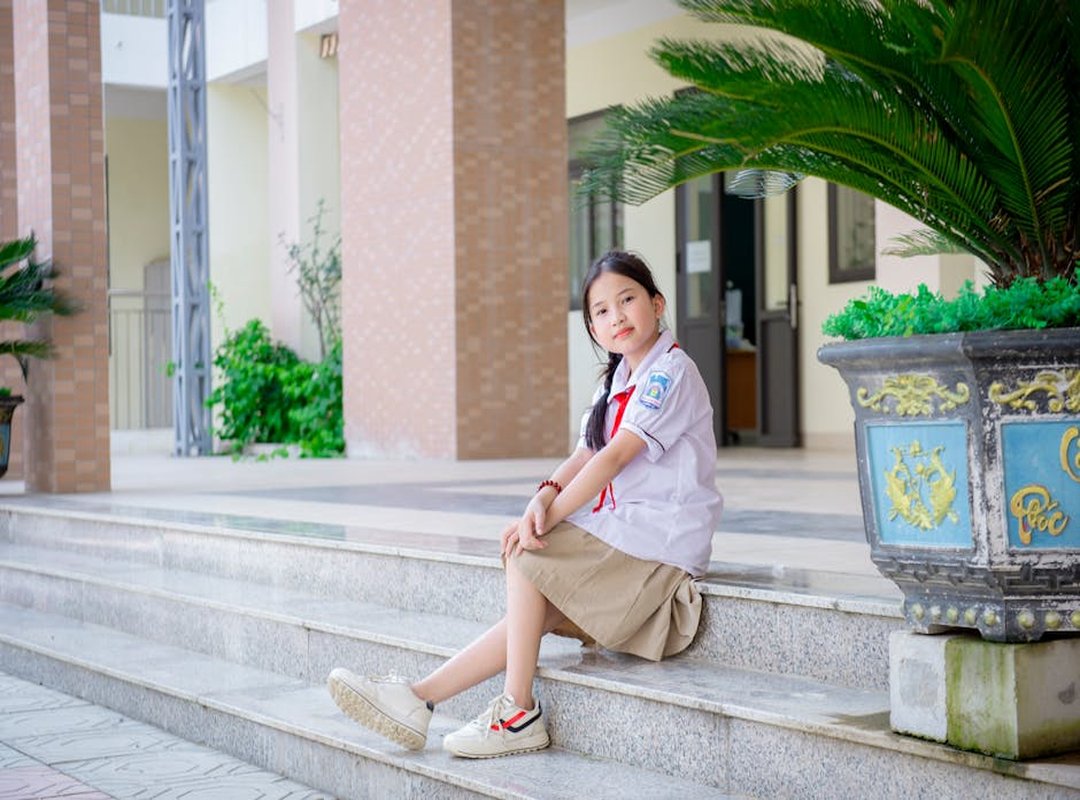
Your 12-year-old is talking excitedly about “squads,” “skins,” and “worlds” that sound like a foreign language. It’s hard to connect with or set boundaries around a hobby you don’t fully understand. This article aims to demystify the world of gaming for tweens in middle school (ages 11-13) and provide a clear roadmap for parents.
You’ll leave with a better understanding of what your sixth-grade student is playing, why it’s important to them, and how to engage with them about it. We focus on the social, strategic, and skill-building aspects of modern gaming, moving beyond the simple “is this game good or bad” debate.
What’s on Their Screen? A Look at Today’s Most Popular Games for Tweens
Minecraft, Roblox, and Fortnite are the top three games dominating the middle school landscape right now. Let’s break them down.
Minecraft
In Minecraft, players build and survive in a blocky, 3D world. The objective is to gather resources, craft items, and build structures. It’s engaging because it lets kids be creative and solve problems.
They can build anything from simple houses to complex redstone machines. The game also has a survival mode where they need to stay alive by avoiding monsters and managing resources.
Roblox
Roblox is a platform where users create and play millions of different games. The variety is huge, from obstacle courses to role-playing adventures. The creative aspect is what makes it so popular.
Kids can design their own games and share them with others. This encourages problem-solving and collaboration. Plus, there’s a strong community aspect, as players can chat and play together.
Fortnite
Fortnite is a battle royale game where 100 players drop onto an island, scavenge for weapons, and fight to be the last one standing. It’s all about strategy and teamwork. Players need to build structures, find loot, and outsmart opponents.
The social and competitive elements make it a hit. You can play solo or team up with friends, which adds to the fun.
Each game has an ESRB rating, which helps parents understand if the content is appropriate for their child:
– Minecraft: Rated E10+ (Everyone 10 and older)
– Roblox: Rated E10+ (Everyone 10 and older)
– Fortnite: Rated T (Teen)
These ratings give a quick reference point for age-appropriateness. For example, a T rating means the game may contain mild violence, language, or suggestive themes.
Games like these offer a mix of creativity, problem-solving, and social interaction. They’re not just about playing; they’re about building, strategizing, and connecting with friends. Just remember, a “skin” is just a costume for their in-game character, and “loot” is the stuff they find and use in the game.
Understanding these games can help you connect with your thirteen 13 year olds 6th grade bra middle school 12 year old and ensure they’re having a safe and enjoyable experience.
More Than a Headset: Decoding the Social Life of a Young Gamer
For many sixth graders, multiplayer games are a primary social hub. Think of it as the schoolyard or mall of previous generations.
In-game chat and party systems let tweens collaborate, strategize, and just hang out with their friends in a structured environment. It’s like having a virtual playground where they can be themselves.
The number one parental fear? Talking to strangers online. It’s a valid concern.
But there are actionable safety tips you can follow. Set accounts to private. Encourage ‘friends-only’ lobbies.
Establish rules about not sharing personal information. These steps can make a big difference.
Teamwork and communication skills are developed when playing multiplayer games effectively. Kids learn to work together, solve problems, and even handle conflicts. It’s more than just a game; it’s a training ground for real-life skills.
Parents, here’s what you can do. Ask your kids questions like, “Who were you playing with today?” or “What was your team’s strategy to win that match?” These conversation starters can help you stay involved and understand their gaming world better.
And hey, if you’re curious about how other digital platforms are shaping young lives, check out how social media is influencing modern trends. You might find some interesting parallels.
So, what’s next? Keep the lines of communication open. Stay informed.
And most importantly, be a part of their gaming world. Trust me, it makes all the difference.
From Screen Time to Skill Time: The Hidden Benefits of Gaming
Gaming often gets a bad rap. People think it’s just a waste of time. But that couldn’t be further from the truth.
Take spatial reasoning, for example. Building games like Minecraft can really help with that. You’re constantly figuring out how to place blocks and design structures.
It’s like a puzzle, but in 3D.
Strategy games are another great example. They push you to think critically. You have to plan your moves, anticipate what your opponent might do, and adapt on the fly.
It’s not just about winning; it’s about outsmarting the game.
Fast-paced games also improve reaction time and hand-eye coordination. Modern controllers are complex. You need to hit specific buttons at the right moment.
It’s like learning a new language, but with your fingers.
Resilience and problem-solving are big too. Imagine a thirteen 13 year olds 6th grade bra middle school 12 year old trying to beat a tough level. They keep failing, but they don’t give up.
They try different approaches, learn from their mistakes, and eventually succeed. That’s a life skill right there.
Resource management is another key element. Many games require you to manage resources like money, time, or materials. You have to plan and prioritize.
This teaches basic planning and decision-making skills.
| Game Type | Skill Developed |
|---|---|
| Building Games (e.g., Minecraft) | Spatial Reasoning |
| Strategy Games | Critical Thinking |
| Fast-Paced Games | Reaction Time, Hand-Eye Coordination |
| Challenging Levels | Resilience, Problem-Solving |
| Resource Management Games | Planning, Prioritization |
So, next time someone tells you gaming is a waste of time, you can set them straight. It’s more than just fun. It’s a way to develop some pretty useful skills.
How to Connect With Your Tween Through Their Favorite Hobby
Gaming is a complex, social, and skill-building activity that is central to the lives of many tweens. Understanding this world is the key to both ensuring their safety and strengthening your relationship with them.
thirteen 13 year olds 6th grade bra middle school 12 year old often find gaming to be a significant part of their social and personal development. Showing genuine interest in their hobby is a powerful way to connect with a middle schooler.
This week, ask your child to be the expert. Set aside 15 minutes for them to give you a guided tour of their favorite game world.
By doing so, you can turn screen time into quality time and build trust with your child.
 Jessica Sanfordezora
Ask Jessica Sanfordezora how they got into makeup application techniques and you'll probably get a longer answer than you expected. The short version: Jessica started doing it, got genuinely hooked, and at some point realized they had accumulated enough hard-won knowledge that it would be a waste not to share it. So they started writing.
What makes Jessica worth reading is that they skips the obvious stuff. Nobody needs another surface-level take on Makeup Application Techniques, Expert Insights, Trend Tracker Pro. What readers actually want is the nuance — the part that only becomes clear after you've made a few mistakes and figured out why. That's the territory Jessica operates in. The writing is direct, occasionally blunt, and always built around what's actually true rather than what sounds good in an article. They has little patience for filler, which means they's pieces tend to be denser with real information than the average post on the same subject.
Jessica doesn't write to impress anyone. They writes because they has things to say that they genuinely thinks people should hear. That motivation — basic as it sounds — produces something noticeably different from content written for clicks or word count. Readers pick up on it. The comments on Jessica's work tend to reflect that.
Jessica Sanfordezora
Ask Jessica Sanfordezora how they got into makeup application techniques and you'll probably get a longer answer than you expected. The short version: Jessica started doing it, got genuinely hooked, and at some point realized they had accumulated enough hard-won knowledge that it would be a waste not to share it. So they started writing.
What makes Jessica worth reading is that they skips the obvious stuff. Nobody needs another surface-level take on Makeup Application Techniques, Expert Insights, Trend Tracker Pro. What readers actually want is the nuance — the part that only becomes clear after you've made a few mistakes and figured out why. That's the territory Jessica operates in. The writing is direct, occasionally blunt, and always built around what's actually true rather than what sounds good in an article. They has little patience for filler, which means they's pieces tend to be denser with real information than the average post on the same subject.
Jessica doesn't write to impress anyone. They writes because they has things to say that they genuinely thinks people should hear. That motivation — basic as it sounds — produces something noticeably different from content written for clicks or word count. Readers pick up on it. The comments on Jessica's work tend to reflect that.