
Ever spent way too much time chopping veggies for a simple dinner? It’s a pain, right?
I get it. Chopping can be tedious and time-consuming. But what if I told you there’s a better way?
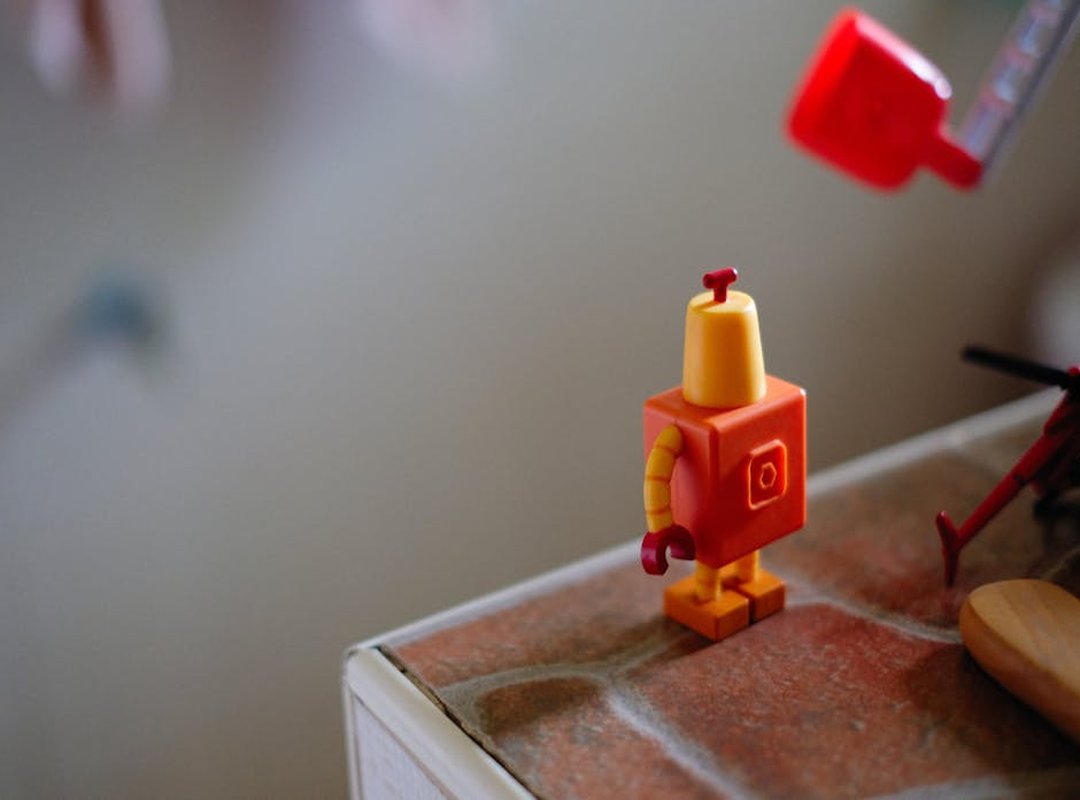
Enter the choprobot. This little gadget is a game-changer. It can save you time and make your meal prep so much easier.
In this article, we’ll dive into what these devices are, the different types available, and how to pick the perfect one for your kitchen. By the end, you’ll know exactly how to cut down on prep time and get consistent results.
What Exactly is a Chop Preparation Device?
A chop preparation device is a category of kitchen tools specifically designed to chop, dice, and mince ingredients quickly and uniformly. These gadgets are perfect for anyone who wants to save time and effort in the kitchen.
Choppers vs. Food Processors and Blenders
The main difference between a chopper and a food processor or blender is in the end result. Choppers create distinct, uniform pieces, while food processors and blenders often turn ingredients into purees. If you want finely chopped onions without turning them into a paste, a chopper is your go-to tool.
How Do They Work?
Chop preparation devices come in different types. Some use a manual press-down action, where you push down on a lever to chop the ingredients. Others have a pull-cord mechanism, which you pull to activate the chopping blades.
There are also small electric models, like the choprobot, that do the work with the push of a button.
Common Ingredients
These devices excel at handling a variety of ingredients. Onions, garlic, peppers, nuts, herbs, and firm vegetables like carrots are all easily managed. Whether you’re prepping for a stir-fry or making a fresh salsa, a chopper can handle it.
Key Benefits
One of the biggest benefits of using a chopper is the uniformity of the cuts. Uniform pieces cook more evenly, leading to better texture and flavor in your finished dishes. No more half-burned, half-raw veggies!
In short, a chop preparation device is a handy tool that can make your cooking experience more efficient and enjoyable.
The Main Types of Chopping Gadgets for Your Kitchen
When it comes to chopping in the kitchen, you’ve got a few solid options. Let’s break them down.
Manual Press Choppers:
These are the ‘plunger’ style choppers. You press down on the top, and the blades chop your veggies. Simple, right?
No electricity needed, and they’re compact. Perfect for small kitchens. But if you’re prepping a big batch, your arm might get tired.
Plus, they have a smaller capacity, so you’ll need to do multiple rounds.
Pull-Cord Choppers:
These gadgets use a pull-string mechanism to spin the blades. They’re fast and give you more control than electric ones. And they’re portable, which is a plus.
But the cord can wear out over time, and you might find yourself replacing it more often than you’d like.
Electric Mini-Choppers:
These are small, motorized appliances. They make chopping effortless and are powerful enough for small jobs. However, they require power, which means another cord in your kitchen.
They can also over-process food if you’re not careful. And there are more parts to clean, which can be a hassle.
Mandoline Slicers with Dicing Blades:
These are versatile for slicing and dicing. You can adjust the thickness, which is great for different recipes. But they are extremely sharp, so you need to handle them carefully.
Safety guards are a must.
So, which one should you choose? It depends on your needs. If you prefer simplicity and don’t mind a bit of manual work, go for the manual press chopper.
For something fast and portable, the pull-cord chopper is a good bet. If you want to save time and effort, an electric mini-chopper is the way to go. And if you need versatility and precision, a mandoline slicer with dicing blades is perfect.
Oh, and if you’re into the latest tech, check out the Nitkafacts site for more on innovative kitchen tools like the choprobot.
How to Choose the Right Chopper for Your Cooking Style

When it comes to picking the right chopper, start by thinking about your typical cooking volume. Are you prepping for one person or a large family? This will determine the required capacity.
Next, consider how much time and effort you want to spend on cleaning. If dishwasher-safe parts are a must, go for models that offer this feature. But let’s be real, simpler manual devices are often easier to wash by hand.
Storage space is another key factor. If you have a smaller kitchen, a compact manual chopper might be your best bet. For those with more counter space, bulkier electric models can be a great choice.
Blade quality is non-negotiable. Look for durable, sharp stainless steel blades. Trust me, they make a huge difference in longevity and performance.
I’ve seen too many choppers fall apart because of cheap blades.
Safety features are crucial, especially if you’re using a mandoline-style device. Non-slip bases, secure lids, and finger guards can save you from some nasty cuts. Don’t skimp on these.
Lastly, think about the type of chopper. Manual or electric? Electric choppers, like the choprobot, can be super convenient for large batches, but they come with a higher price tag and more maintenance.
Manual choppers, on the other hand, are straightforward and reliable.
By considering these factors, you’ll find the perfect chopper that fits your cooking style and needs.
Reclaim Your Time and Revolutionize Your Meal Prep
The right chop preparation device is a small investment that pays huge dividends in time and effort saved. The ‘best’ chopper depends on your personal needs, such as cooking volume, cleaning preferences, and kitchen space. You now have all the criteria needed to select a device that will perfectly suit your lifestyle. choprobot can be a game-changer.
Move past the drudgery of prep work and find more joy in the cooking process.
 Founder & Creative Director
There is a specific skill involved in explaining something clearly — one that is completely separate from actually knowing the subject. Selvian Elthros has both. They has spent years working with expert insights in a hands-on capacity, and an equal amount of time figuring out how to translate that experience into writing that people with different backgrounds can actually absorb and use.
Selvian tends to approach complex subjects — Expert Insights, Beauty Concepts and Basics, Nitka Skincare Science being good examples — by starting with what the reader already knows, then building outward from there rather than dropping them in the deep end. It sounds like a small thing. In practice it makes a significant difference in whether someone finishes the article or abandons it halfway through. They is also good at knowing when to stop — a surprisingly underrated skill. Some writers bury useful information under so many caveats and qualifications that the point disappears. Selvian knows where the point is and gets there without too many detours.
The practical effect of all this is that people who read Selvian's work tend to come away actually capable of doing something with it. Not just vaguely informed — actually capable. For a writer working in expert insights, that is probably the best possible outcome, and it's the standard Selvian holds they's own work to.
Founder & Creative Director
There is a specific skill involved in explaining something clearly — one that is completely separate from actually knowing the subject. Selvian Elthros has both. They has spent years working with expert insights in a hands-on capacity, and an equal amount of time figuring out how to translate that experience into writing that people with different backgrounds can actually absorb and use.
Selvian tends to approach complex subjects — Expert Insights, Beauty Concepts and Basics, Nitka Skincare Science being good examples — by starting with what the reader already knows, then building outward from there rather than dropping them in the deep end. It sounds like a small thing. In practice it makes a significant difference in whether someone finishes the article or abandons it halfway through. They is also good at knowing when to stop — a surprisingly underrated skill. Some writers bury useful information under so many caveats and qualifications that the point disappears. Selvian knows where the point is and gets there without too many detours.
The practical effect of all this is that people who read Selvian's work tend to come away actually capable of doing something with it. Not just vaguely informed — actually capable. For a writer working in expert insights, that is probably the best possible outcome, and it's the standard Selvian holds they's own work to.